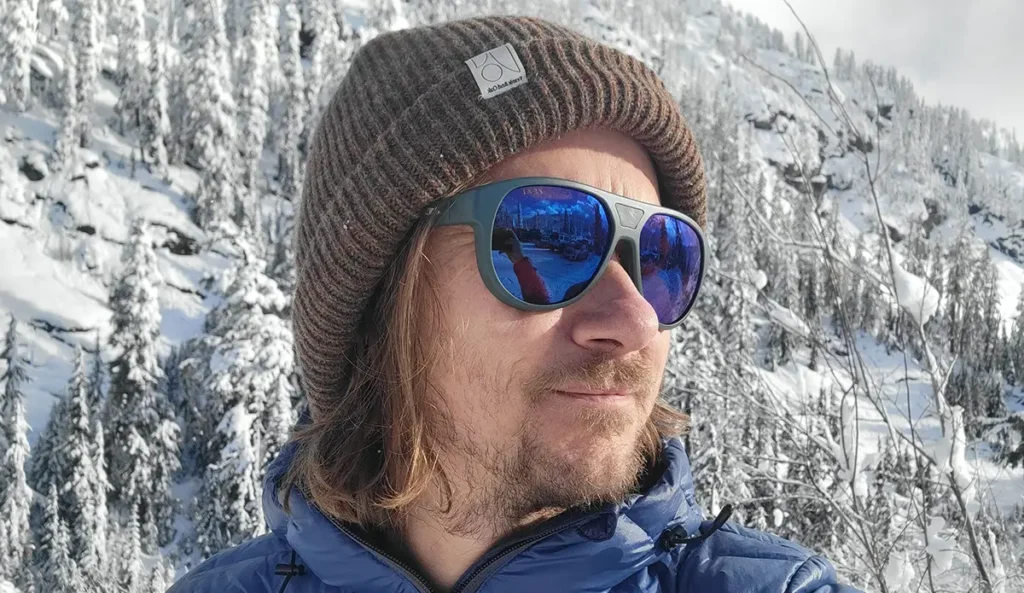
Tested by
Steve Andrews
Where
British Columbia
How long
Fall 2026
Used for
Hiking, general outdoor use in cold weather, lounging at home
Photos
Steve Andrews
In this review
Alpine Islands earns a small commission when you buy through some links on this page, at no extra cost to you. Mammut sent me these to test free of charge. No one paid for this review, and the verdict is my own.
Since starting to review gear professionally, I’ve had a chance to test out a ton of different models. Everything usually falls into one of two categories: Natural merino or alpaca, or synthetic (i.e. polyester). You get a few variants from here to there, but for the most part, it’s hard to find new things to write about.
But then I just tried the new Tree Wool thermal tights from Mammut. And I’ve gotta say, the material is noticeably different, in a very good way.
It’s the perfect blend of natural and synthetic, where the synthetic spandex gives the stretch, without being overbearing at only 6%. And the natural side of it has everyone’s favourite wool, merino, but also includes a fibre called lyocell.
Mammut Tree Wool Thermal FL Tights: First Impressions
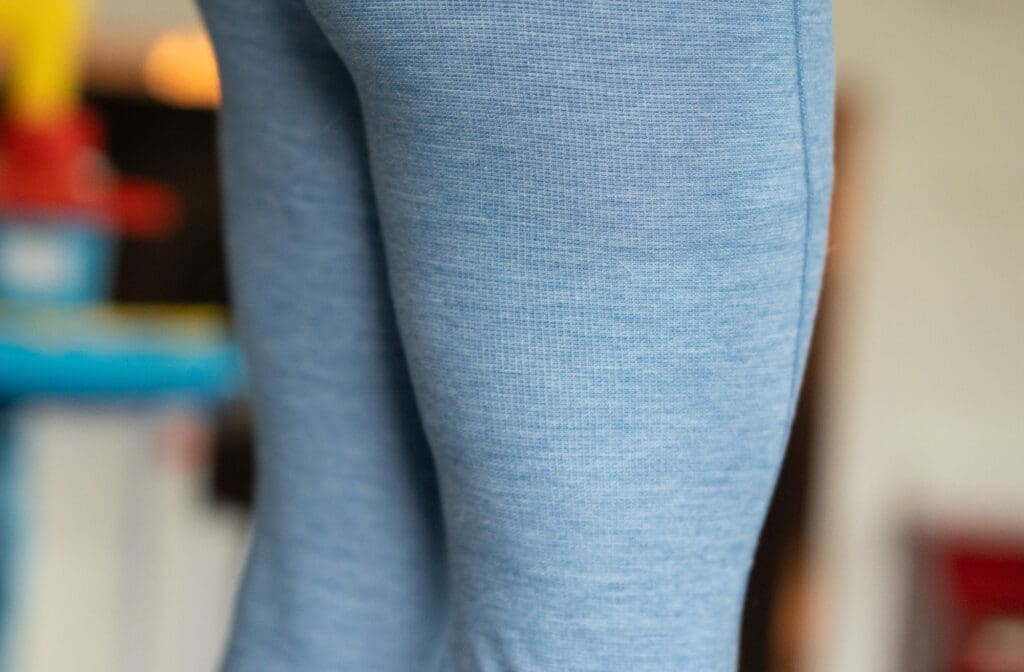
The amazing comfort. Merino is generally a bit itchy, but the big standout was the near-cool feel of the material. I can only put it down to the lyocell, which I’ve never tried before but am an instant fan. As soon as I got active, I could tell that the breathability of the material was also on another level. Despite being active, they still felt cool to the touch. Honestly, I was kind of blown away.
Notable Features of the Mammut Tree Wool Thermal FL Tights
The Tree Wool blend: The fabric is 61% lyocell, 33% merino wool and 6% spandex. Mammut pitches the lyocell for quick drying and the merino for warmth and odour control, with the spandex handling stretch.
Waffle knit: A waffle structure, which Mammut says improves warmth retention and moves moisture away from the skin on the climb and the descent.
Gusseted, two-seam crotch: Mammut builds in a gusset for freedom of movement in the skin track and on kick turns, and a two-seam crotch to cut down on friction.
Seamless sides and a high-cut back: Seamless side construction removes more friction points, and a flat elastic waistband with a high-cut back is there for a secure, comfortable fit.
Responsibly sourced: Mammut’s product page tags these with both “Responsible wool” and “Fair Wear” labels. These can sometimes be greenwashing, so take it with a grain of salt.
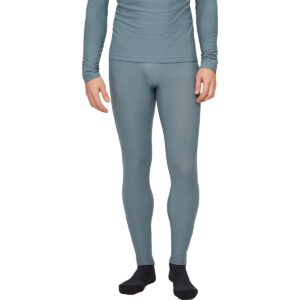
Mammut Tree Wool Thermal FL Tights (Men’s)
~$119 USD
| Bottom line | One of the most comfortable baselayers out there. |
|---|---|
| Weight | 170 g |
| Fabric | 61% lyocell, 33% merino wool, 6% spandex |
| Fit | Tight fit |
| Construction | Waffle knit, gusseted two-seam crotch, seamless sides |
| Waistband | Flat elastic, high-cut back |
| Sizes | S–XXL |
| Care | Machine wash inside out, 30°C max; no tumble dry |
| Tested | Fall 2026, British Columbia |
Worked
- Breathability and warmth had the best combo without feeling like I was cooking in them
- Cool, smooth feel against the skin, with none of the usual merino itch
- Just enough stretch from the 6% spandex
Didn’t
- Nothing yet. Backcountry testing comes this winter.
Drawbacks
So far, I’m yet to find anything wrong with these.
To be fair, my testing so far has been fall hiking and everyday cold-weather use around BC, not the backcountry. A few things worth knowing from the spec sheet rather than from my own use: they’re a tight fit by design, they want a cool wash and an air dry (30°C max, no tumble dryer), and Mammut’s own ratings put them at 4 out of 6 for warmth-to-weight, so they’re pitched as a breathable baselayer for moving, not the warmest option on the rack.
Best Uses for the Mammut Tree Wool Thermal FL Tights
High-output activities in cold weather.
Mammut designed these first and foremost for ski touring and mountaineering, which is exactly where I’m planning to take them this winter.
Skip If You…
You aren’t using them while active. If you’re not getting your heart rate up, you’re probably better suited to using wool or synthetic. I did notice it didn’t feel as warm as other baselayers I tested when sitting still. These are meant for constant movement.
Frequently Asked Questions
What is Mammut Tree Wool made of?
Tree Wool is Mammut’s blend of lyocell, a fibre spun from wood pulp, and merino wool. In these tights it’s 61% lyocell, 33% merino and 6% spandex for stretch.
Are Mammut Tree Wool tights itchy?
Not in my experience. They feel smooth and almost cool against the skin, which I put down to the lyocell making up most of the fabric.
Are Mammut Tree Wool tights good for ski touring?
That’s what Mammut built them for, with a waffle knit for warmth and moisture management and a gusseted crotch for kick turns. I’ve tested them hiking so far and will update this review once I’ve had them on the skin track.
How do you wash Mammut Tree Wool tights?
Turn them inside out and machine wash on a normal cycle at 30°C or cooler. Mammut says no bleach, no dry cleaning, no ironing and no tumble dryer, so hang them to dry.
Final Thoughts
Although I haven’t taken these into the backcountry yet, the fact that they kept me warm outside and didn’t collect sweat told me all I need to know. They work, and are something unique. My guess is that you probably need to be active for it to be better than merino in the warmth department. But consider this one of the best endorsements from someone whose only benefit was getting a free sample, and who is stoked to take them on big climbs this winter to really test them to the fullest.
Thanks for reading this far! We have a ton of Gear Reviews for you to check out. If you’d like to layer up further, check out our Best Hardshell Jackets for Ski Touring and Splitboarding. If you want to look at other baselayers, check out this review for the Icebreaker 200 Oasis, or our full-scale roundup, the Best Baselayers for Snowboarding and Skiing.


Steve Andrews is a lifelong adventurer since before he could walk. A skier since age 2, snowboarder since 11, he began his guiding career in 2007. He has a passion for teaching people how to fish, and helping them discover their own power in the mountians. He started Alpine Islands to give people a different take on achieving mastery in the wild (hint: you’re never a master of Mother Nature). He lives in Horseshoe Bay, British Columbia with his partner and two kids.