Backcountry Skills

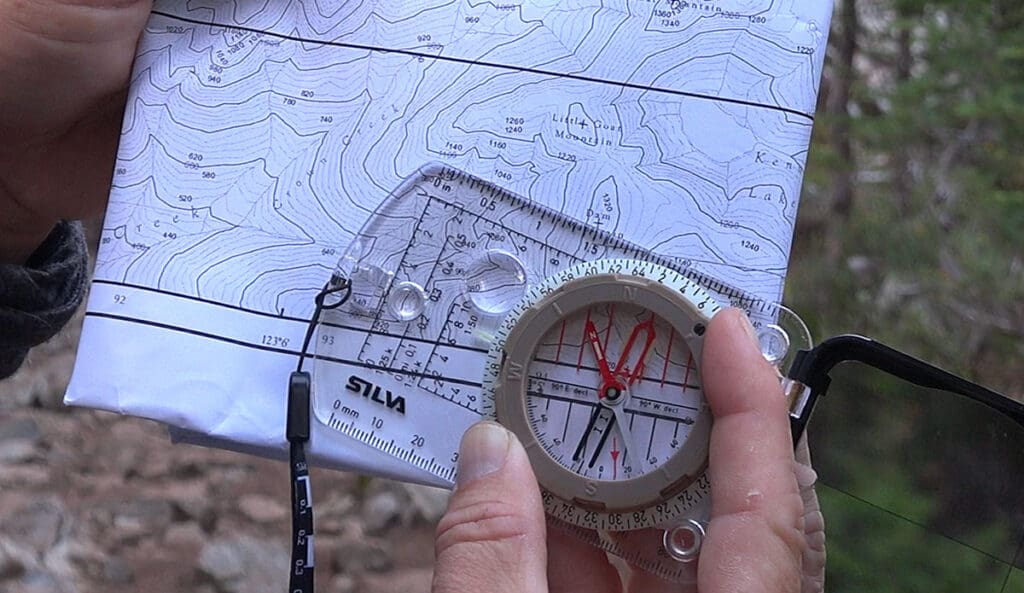
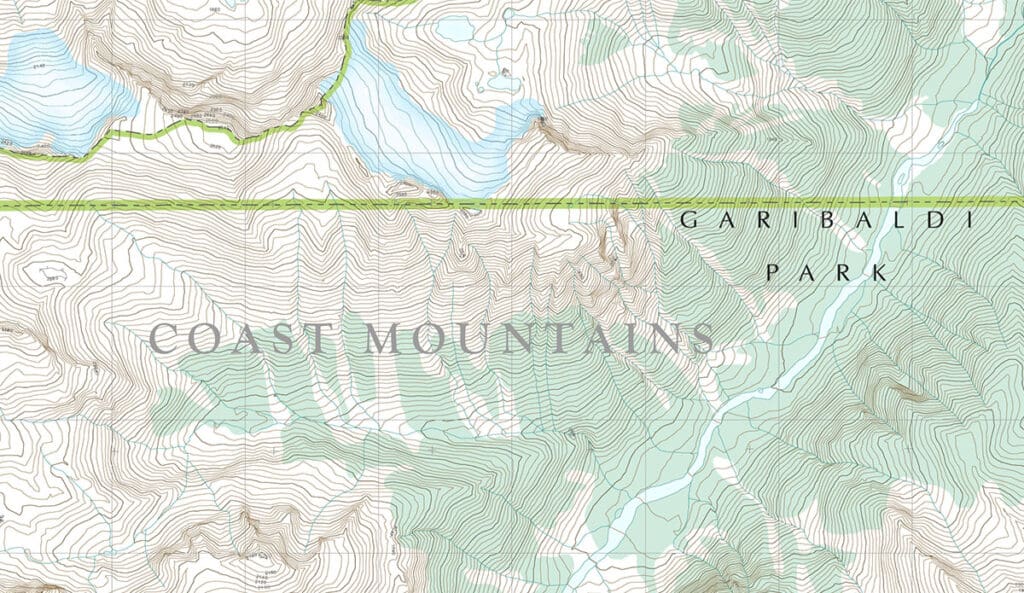
You Can Get Free Topographic Maps of British Columbia Here

If you’re exploring the backcountry, knowing how to use a topographic map and compass is essential. GPS devices can fail or lose battery, and you don’t want that happening when it matters the most. Here in British Columbia, there is much more wilderness than occupied land. Getting lost isn’t a difficult thing to do, and […]

You Can Get Free Topographic Maps of British Columbia Here Read More »

Avalanche Awareness 101: Snowfall

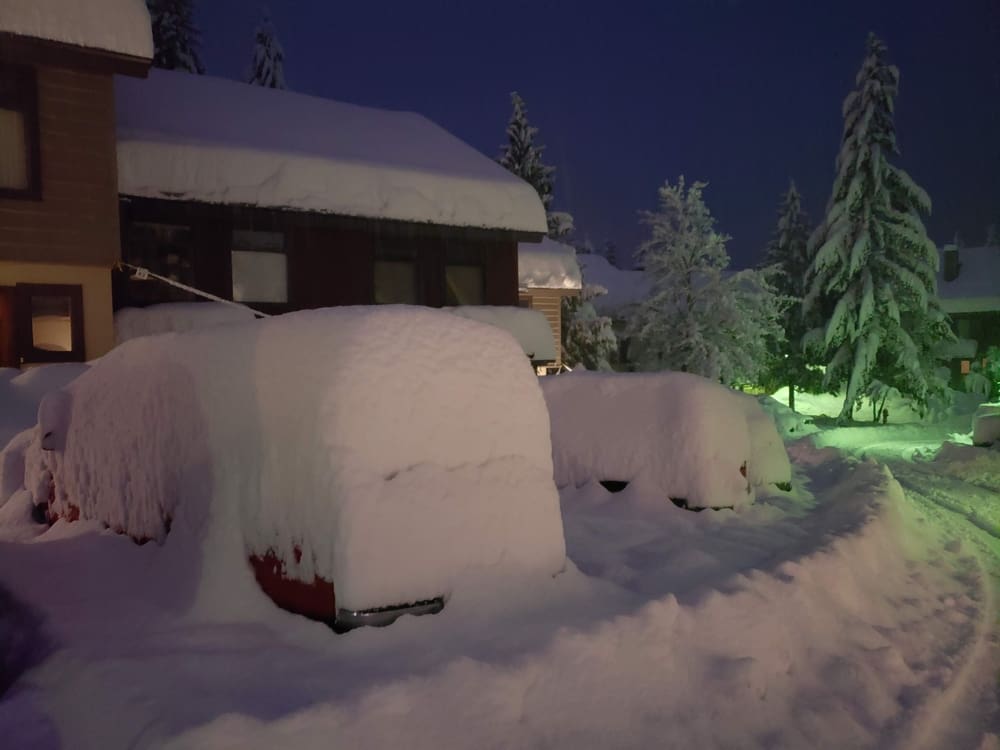
One of the primary and most obvious contributors to an avalanche is fresh snowfall. When learning about backcountry safety and avalanche awareness, it’s crucial to understand how the amount of snow mixed with the other main variables (terrain, aspect, wind, and other layers) come into play. This page discusses why it’s important to factor in

Avalanche Awareness 101: Snowfall Read More »

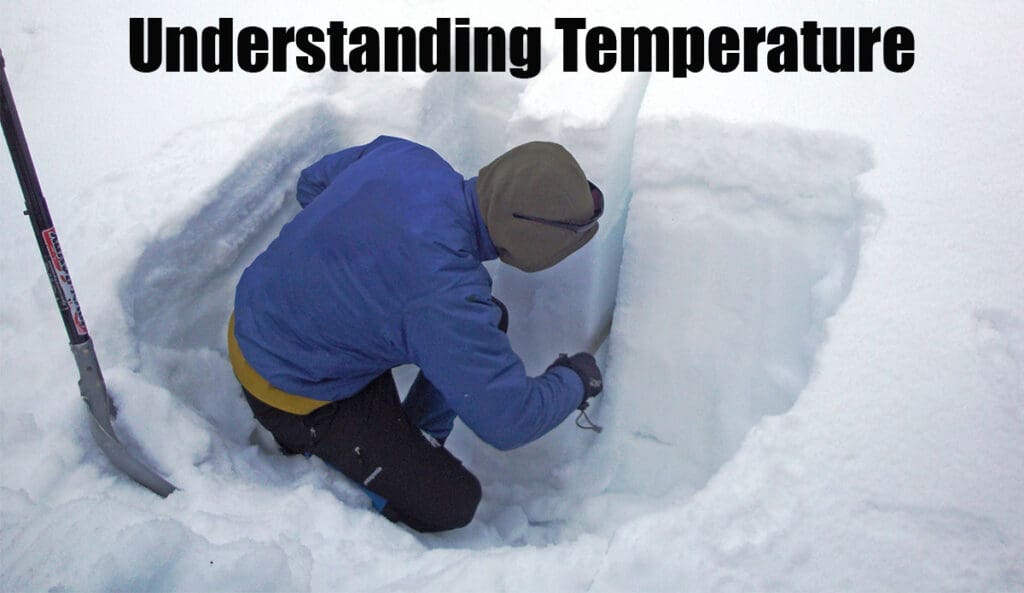
a man looks into a snow pit to determine the safety of the snowpack

Avalanche Awareness 101: Temperature

Why Temperature Matters Temperature is one of the most easily observable variables in the backcountry, but also one of the most overlooked when it comes to avalanche risk. Unlike complex snowpack tests or hard-to-read terrain features, temperature is something anyone can track with the right mindset and tools. For skiers and snowboarders who want to

Avalanche Awareness 101: Temperature Read More »

Your GPS Device Is Weakening Your Senses In The Backcountry

Over the past 20 years the advent of technology has truly changed the way we explore the backcountry. Not all of it is for the better. The devices we all hold in our pocket so dear have brought about knowledge in ways that our ancesters would have never thought possible, and we have assimilated it

Your GPS Device Is Weakening Your Senses In The Backcountry Read More »

a large avalanche showcasing a deep persistent slab

Avalanche Glossary: Deep Persistent Slabs

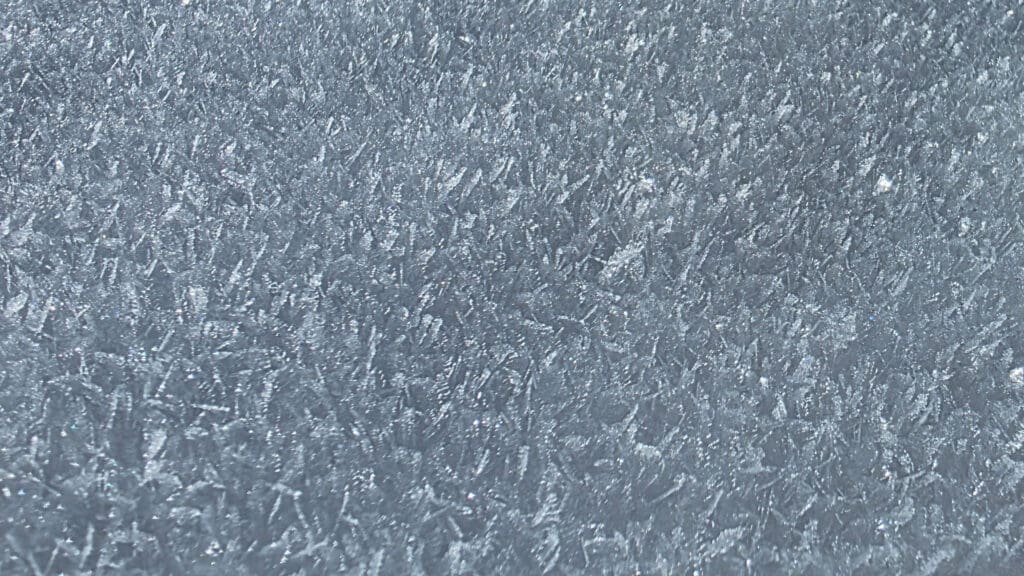
What is a Persistent Slab Avalanche? In the world of avalanche safety, a persistent slab avalanche is one of the most notorious hazards because of how long it can linger. Unlike storm or wind slabs that may stabilize quickly, persistent slabs are caused by weak layers deep within the snowpack, such as buried surface hoar

Avalanche Glossary: Deep Persistent Slabs Read More »

Level Up With Our Spring Backcountry Ascension Clinics

Spring is arguably the best season of the year for backcountry skiing and splitboarding. Warmer temps, longer days, and a solid snowpack are usually in the cards. Winter is great for snowfall, but as we know, too much snow can be a bad thing in the backcountry. So in the mountains, spring is where we

Level Up With Our Spring Backcountry Ascension Clinics Read More »

a skier

The Study (and Love) of Temporality In Backcountry Snowboarding and Skiing

You usually don’t notice the impermanence of good snow until it’s gone. I say this as the rain deluges the Pacific Coast here in British Columbia, where the final patches of snow wash away after two weeks of a rare treat: champagne powder at sea level. The west coast endured a three-day blast of arctic

The Study (and Love) of Temporality In Backcountry Snowboarding and Skiing Read More »

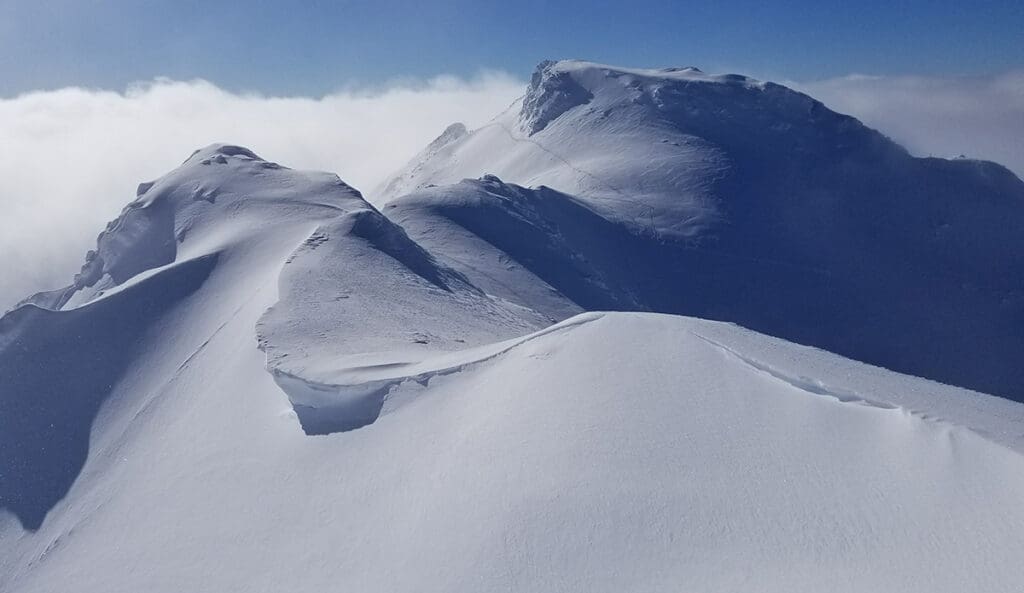
Avalanche Glossary: Cornices

What are Cornices? Cornices are massive, overhanging snow formations that develop along ridgelines and peaks, sculpted by wind into precarious, delicate structures. To an inexperienced backcountry traveler, they might appear like natural snow drifts, but they are one of the most deceptive and dangerous hazards in avalanche terrain. Cornices can collapse without warning, triggering avalanches

Avalanche Glossary: Cornices Read More »

a group of splitboarders ascend an alpine slope that is covered in snow

Why Every Backcountry Explorer Needs Consistent Practice

Avalanches Can Happen To Anyone Dave Henkel was a genius. Not the type of genius that most of society considers, but he is one who had life dialled in a way that bode well for him. He was a true trendsetter, and led the way for a generation of backcountry shredders in Whistler that didn’t

Why Every Backcountry Explorer Needs Consistent Practice Read More »