What are Cornices?
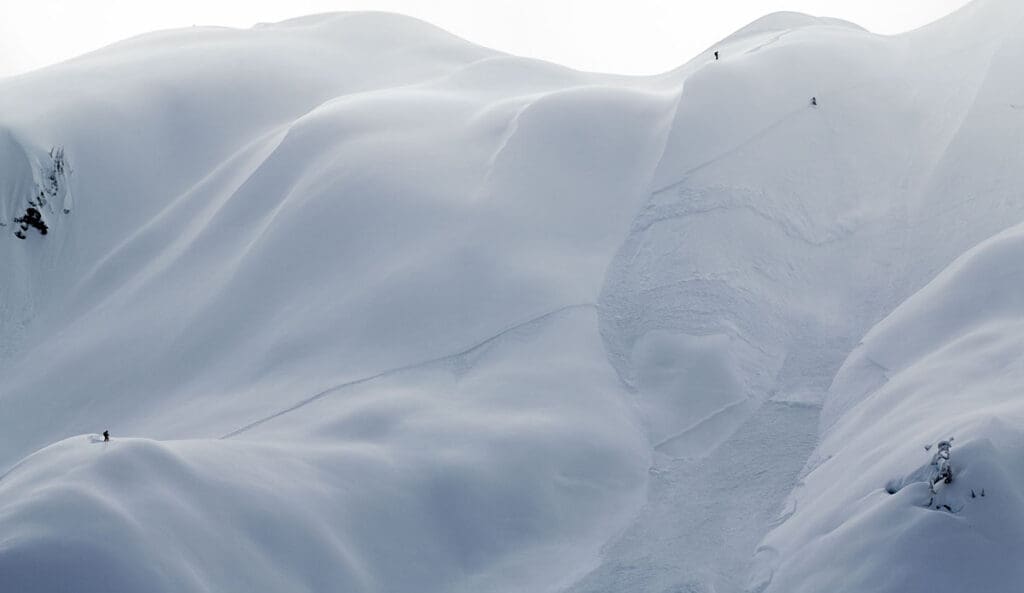
Cornices are massive, overhanging snow formations that develop along ridgelines and peaks, sculpted by wind into precarious, delicate structures. To an inexperienced backcountry traveler, they might appear like natural snow drifts, but they are one of the most deceptive and dangerous hazards in avalanche terrain. Cornices can collapse without warning, triggering avalanches and sending tons of snow down onto slopes below.
How Cornices Form
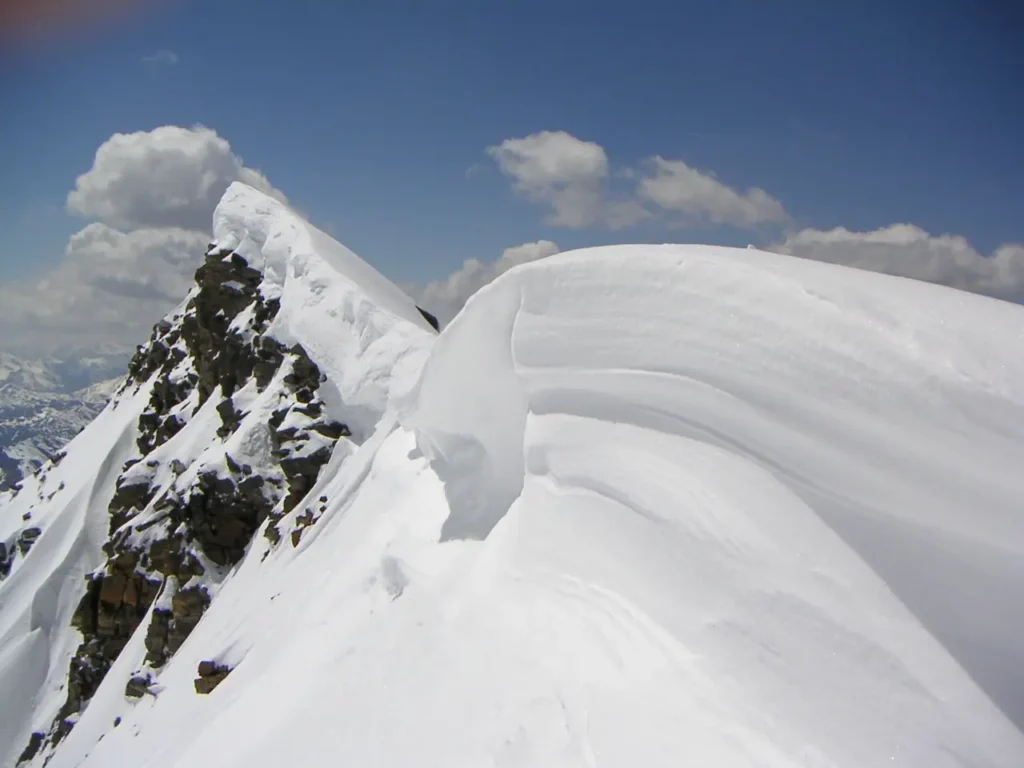
Imagine a high mountain ridge where powerful winds sweep snow off the windward side and deposit it on the leeward side. Over time, this snow builds into a fragile overhang, resembling a frozen wave caught mid-break, extending dangerously beyond the true edge of the ridge.
While they may appear solid from above, cornices are often hollow and unsupported underneath. They can form several feet, or even tens of feet, beyond the visible ridge line, leaving anyone traveling on top of them at risk of collapse. The weight of new snow or even a slight pressure—like a skier’s weight—can be enough to send the cornice and anything on it crashing down the slope.
Why Cornices are Dangerous
Cornices are particularly dangerous because they collapse unpredictably, often under their own weight, but also due to wind, warming temperatures, or human triggers. When a cornice breaks off, it can send a large slab of snow onto the slope below, potentially triggering a devastating avalanche.
In addition, travelers on ridgelines often don’t realize how far out cornices extend. It’s easy to venture unknowingly onto a cornice, thinking you’re on solid ground, only for the overhang to give way. Cornices also fracture unpredictably, and a collapse can occur far back from the visible ridge line.
The Haines, Alaska Cornice Collapse
In March 2013, a tragic cornice collapse near Haines, Alaska, claimed the life of one person and injured two others. A group of five skiers and snowboarders, part of a commercial heliskiing tour, was traversing a ridgeline near Garrison Glacier when the snow beneath them suddenly gave way. Four members of the group fell between 600 to 1,000 feet as the cornice broke off. Despite efforts to perform CPR, one snowboarder did not survive, and two others sustained serious injuries.
This incident highlights how deceptively dangerous cornices can be, even on what appears to be a solid ridgeline.
Signs of Cornice Danger
Cornices can be difficult to spot, but here are some clues that indicate the presence of dangerous cornices:
- Windy Ridges: Cornices typically form on the downwind side of ridges, so areas exposed to strong winds are likely to have cornice formations.
- Overhanging Snow: Look for obvious overhangs along ridges. Even if they appear stable, these features are highly prone to collapse.
- Cracking or ‘Whumph’ Sounds: If you hear cracking or feel the snow settle with a “whumph” sound, you’re likely standing too close to a cornice or on unstable snow.
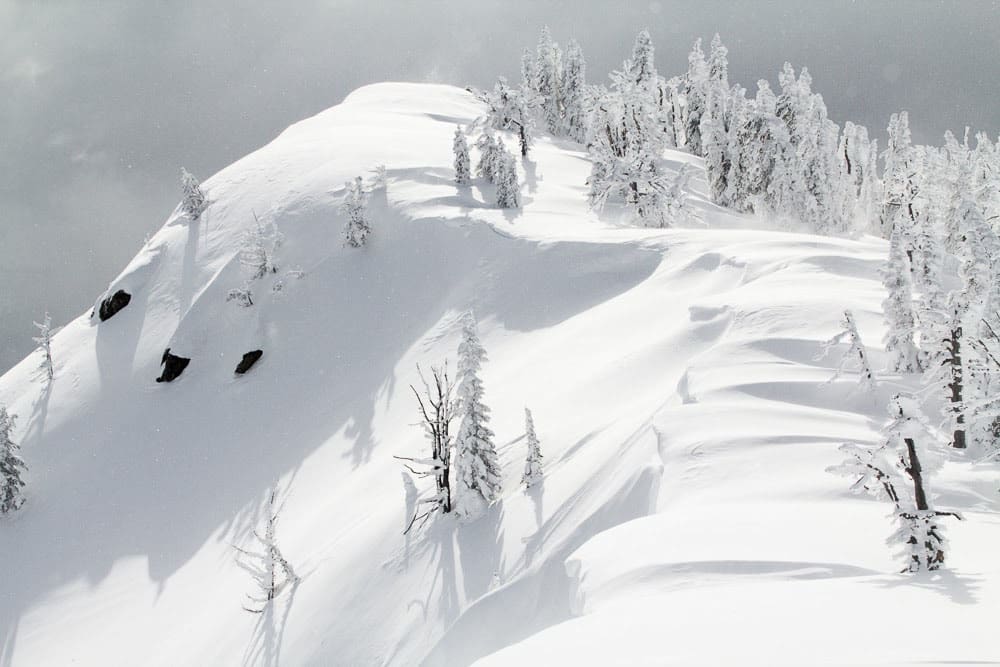
- Sculpted Snow: Wind-sculpted snow formations, including sharp ridges and “pillows,” often indicate that a cornice has formed along the ridge.
How to Stay Safe Around Cornices
Cornices can’t always be avoided, but you can take steps to minimize your risk:
- Stay Well Back from the Ridge Line: When traveling on ridges, always stay far back from the edge to avoid walking onto a cornice. Cornices can extend much farther out than they appear.
- Avoid Traveling Beneath Cornices: When moving through terrain below ridgelines, avoid slopes directly underneath a cornice. A collapse from above can trigger an avalanche or hit you with tons of snow and debris.
- Assess Wind Conditions: If you’re traveling in areas where wind has been blowing heavily across ridges, assume that cornices have formed on the leeward side. Plan your route accordingly to avoid them.
- Stay Cautious in Warmer Weather: Cornices are more likely to collapse in warmer temperatures or after storms. If the snowpack is warming or the weather is changing, cornices can become even more unstable.
- Use Avalanche Reports: Always check local avalanche bulletins like those provided by the Alaska Avalanche Information Center or other regional forecasting centers. They often include warnings about cornices.
The Hidden Overhangs of Danger
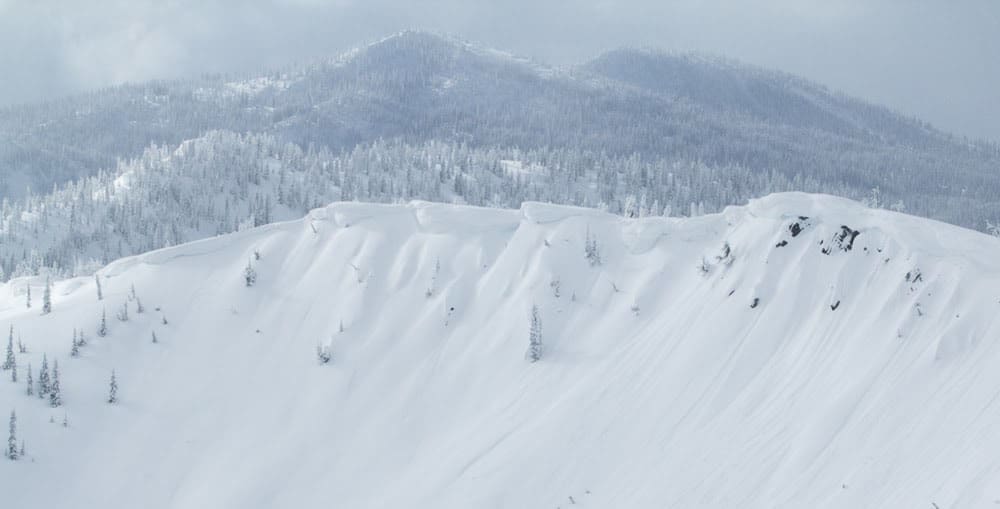
Cornices are one of the most dangerous and deceptive hazards in the backcountry. They form silently, extending far beyond the visible ridgeline, waiting to collapse with the right trigger. By staying aware of their presence, giving ridgelines a wide berth, and avoiding travel beneath cornices, you can minimize your risk of triggering a deadly avalanche or suffering a cornice fall.
Whether you’re skiing, snowboarding, or mountaineering, always remember that what lies beneath the surface—or over the edge—may not be as solid as it seems.
- Thirtytwo Permanent Vacation Snowboard review
 Tested by Steve Andrews Where Grouse Mountain, Whistler Mountain, Blackcomb Mountain How long 10 days, spring 2026 Used for Slushy park laps, alpine bombers, and playful afternoons Photos Steve Andrews and Lindsay Gough In this review Alpine Islands is reader-supported. Some links on this page are affiliate links, which means I may earn a small… Read more: Thirtytwo Permanent Vacation Snowboard review
 - thirtytwo Snowboarding: An In-Depth Brand ReviewProfiled by Steve Andrews Products tested 3 so far (board, boots, bindings) Using it since About 25 years Relationship Free samples, no sponsorship Updated October 2026 In this profile Alpine Islands is reader-supported: if you buy through an affiliate link on this page, Alpine Islands may earn a small commission at no extra cost to… Read more: thirtytwo Snowboarding: An In-Depth Brand Review
- Guide to ski touring and Splitboarding Blackcomb MountainGuided by Steve Andrews Zone Blackcomb backcountry, Whistler BC Season Winter · ski & splitboard Belt range Blue → Red Forecast region Avalanche Canada: Sea-to-Sky In this guide No paid placements. Routes, resources and gear links are on this page on merit only. Some gear links may earn Alpine Islands a commission. The Blackcomb backcountry… Read more: Guide to ski touring and Splitboarding Blackcomb Mountain
- International Snow Science Workshop DebriefISSW 2026 Whistler, BC, September 29-October 2, 2026 The World’s Top Snow Aficionado Gathering Was a Huge Success Last week marked the biennial gathering of worldwide snow-nerds, the International Snow Science Workshop. For five days, the world’s top researchers, practitioners, guides, and forecasters came together to share their latest findings for understanding how snow behaves… Read more: International Snow Science Workshop Debrief
- What to do When Your Phone Dies: Analog Navigation 101Smartphones are great navigation tools until they aren’t. And the chances are, if you spend any amount of time in the backcountry, sooner or later, your phone will die. And chances also are that if something goes wrong, you’ll want to know where you are. Countless calls to search and rescue happen every year due… Read more: What to do When Your Phone Dies: Analog Navigation 101


Steve Andrews is a lifelong adventurer since before he could walk. A skier since age 2, snowboarder since 11, he began his guiding career in 2007. He has a passion for teaching people how to fish, and helping them discover their own power in the mountians. He started Alpine Islands to give people a different take on achieving mastery in the wild (hint: you’re never a master of Mother Nature). He lives in Horseshoe Bay, British Columbia with his partner and two kids.