ISSW 2026
Whistler, BC, September 29-October 2, 2026
The World’s Top Snow Aficionado Gathering Was a Huge Success
Last week marked the biennial gathering of worldwide snow-nerds, the International Snow Science Workshop. For five days, the world’s top researchers, practitioners, guides, and forecasters came together to share their latest findings for understanding how snow behaves in the mountains.
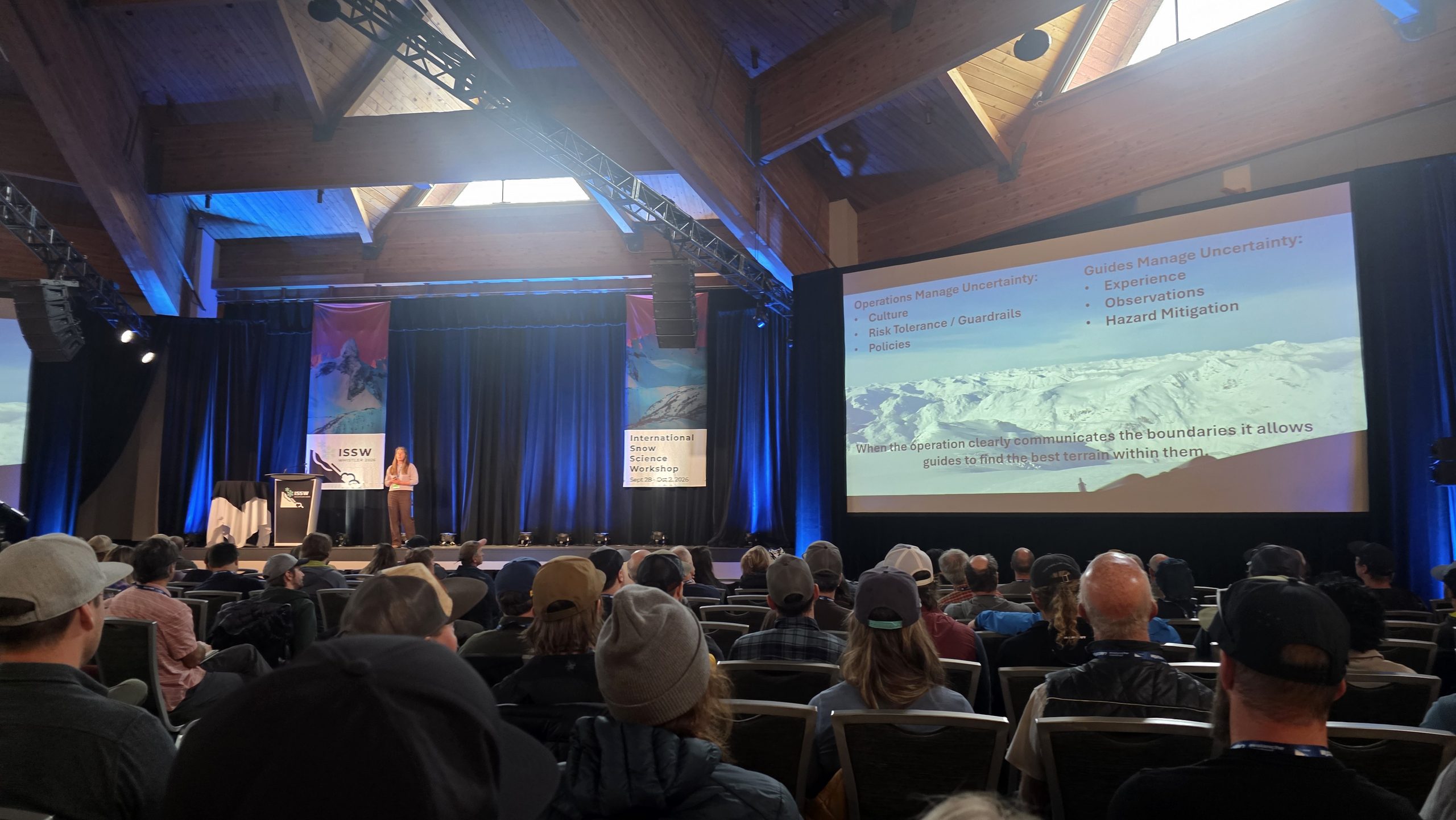
Each day was filled with over 10 hours of programming, offering talks running the range of hard-core snow science to near-miss case studies and ideas on how to handle risk. It was a lot to take in, and it’ll likely take much more in the coming weeks/months to fully digest the information overload. For now, I’ll give you some of the top findings in case you were curious.
My Paper: Quantifying Risk and Disclosing to Clients
I had a paper that was presented in poster form. It was a disclosure and informed consent protocol for guided operations.
It’s the culmination of many years of observations, frustrations, and attempts to reverse a culture that in the paper I discussed as “Institutionalized Paternalism“. Some may know what I’m talking about, and it definitely ruffeled a few feathers, until I explained the logic.
Essentially, the protocol is modeled on aviation and medicine, and how they share information. Aviation is opening up the decision making to the whole crew, taking the burden off the pilot to help prevent accidents. Medicine involves the patient by outlining the risks and giving them the opportunity to refuse, should they not be happy with the risks.
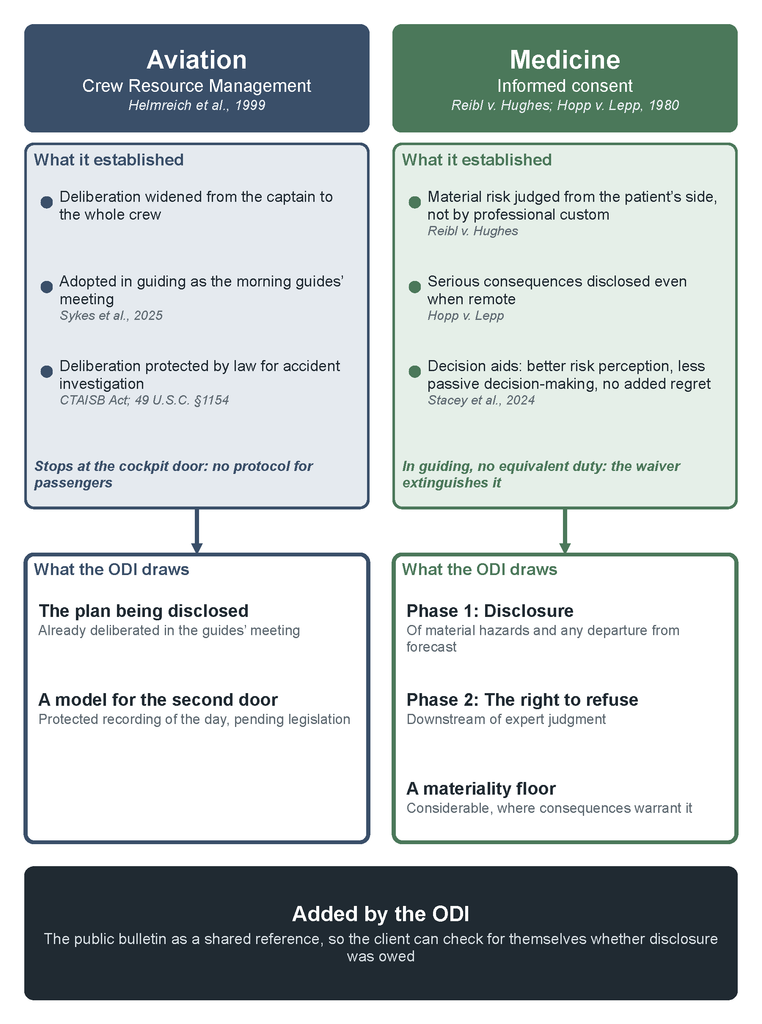
Then I outline the environment for guides or anyone working in avalanche terrains to disclose their plan if it deviates from the advice in the public forecast. My reasoning is that it is not only morally right, but also a better legal protection by updating the disclosure of risk to be specific to the day, not just “backcountry skiing/snwoboarding is dangerous” and have them sign their life away.
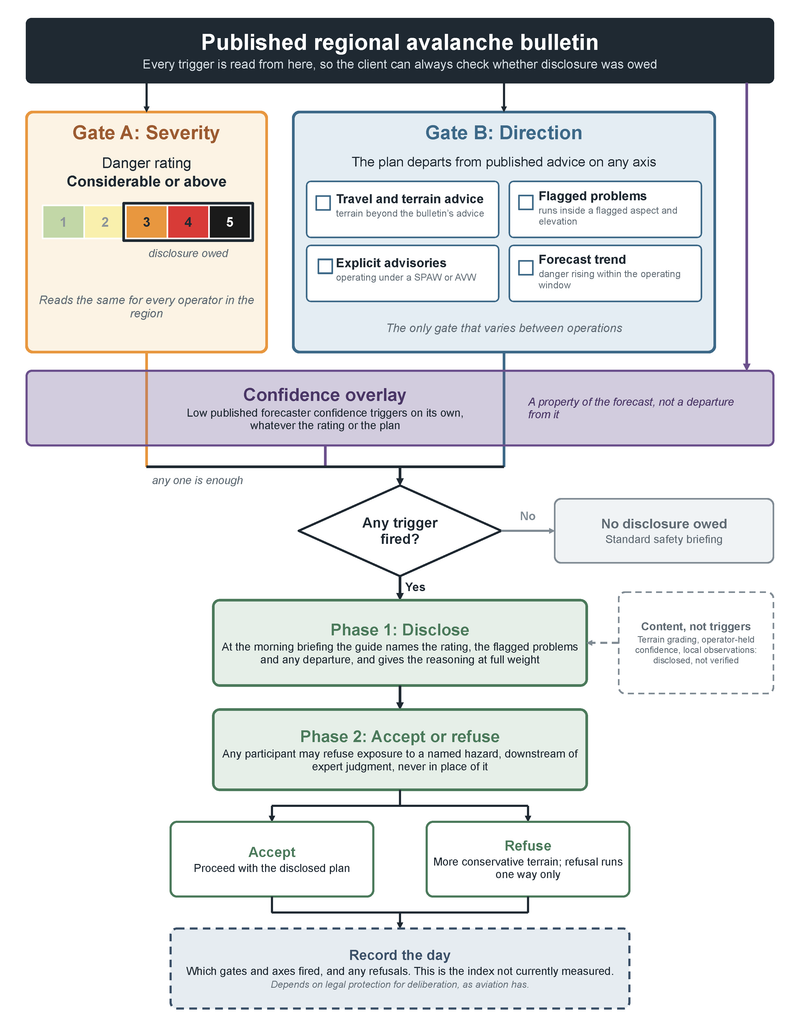
Surprisingly, it went pretty well. I was encouraged to see many other talks/posters discuss this and even make parallels to aviation and medicine as well. If you’d like to read the whole paper, you can do so here.
Other Posters Catching Attention
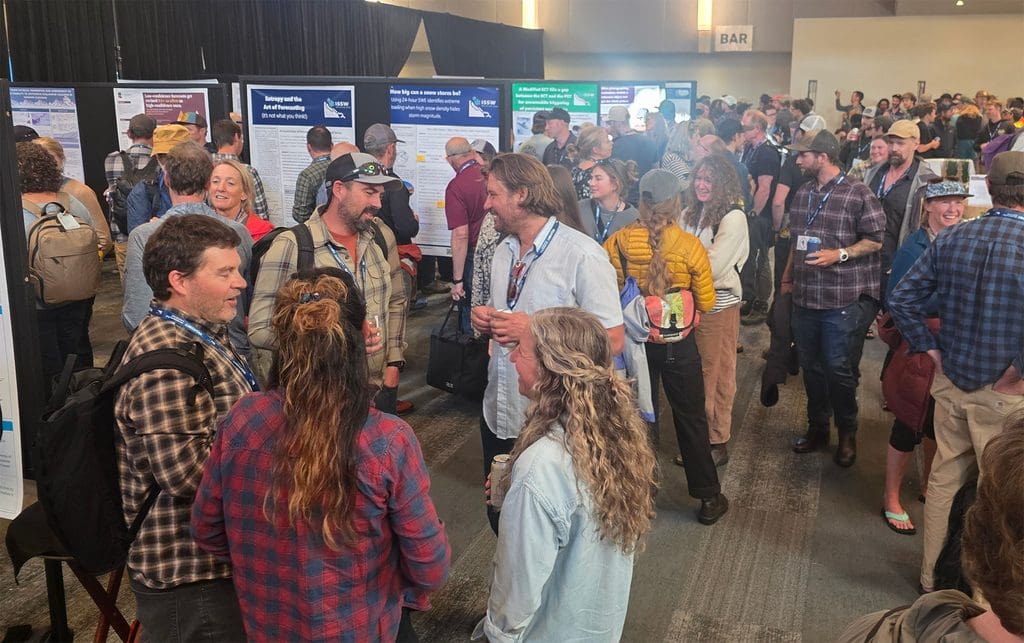
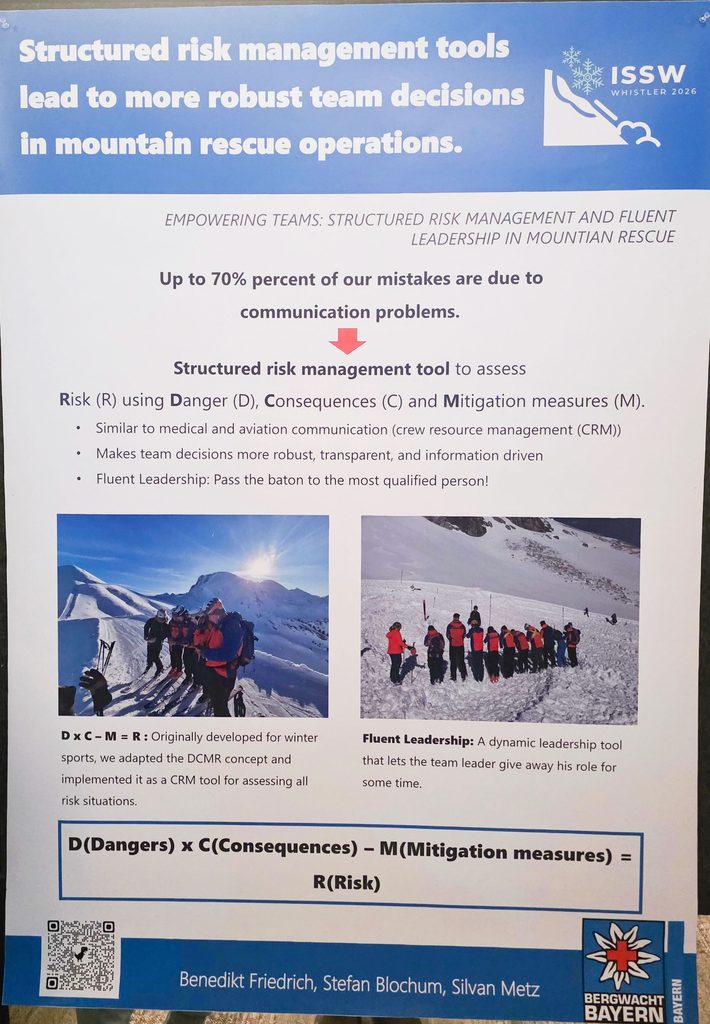
The big theme of the week was the absolute deluge of information. It was hard to take it all in and may take a good amount of time to really digest all the information. If you’d like to go through the papers yourself, check them out here. Fair warning that it’s a lot to digest. Thank goodness for posters, though! It definitely helped get a lot of information in one’s field of view. Here are a few that were worth looking at:
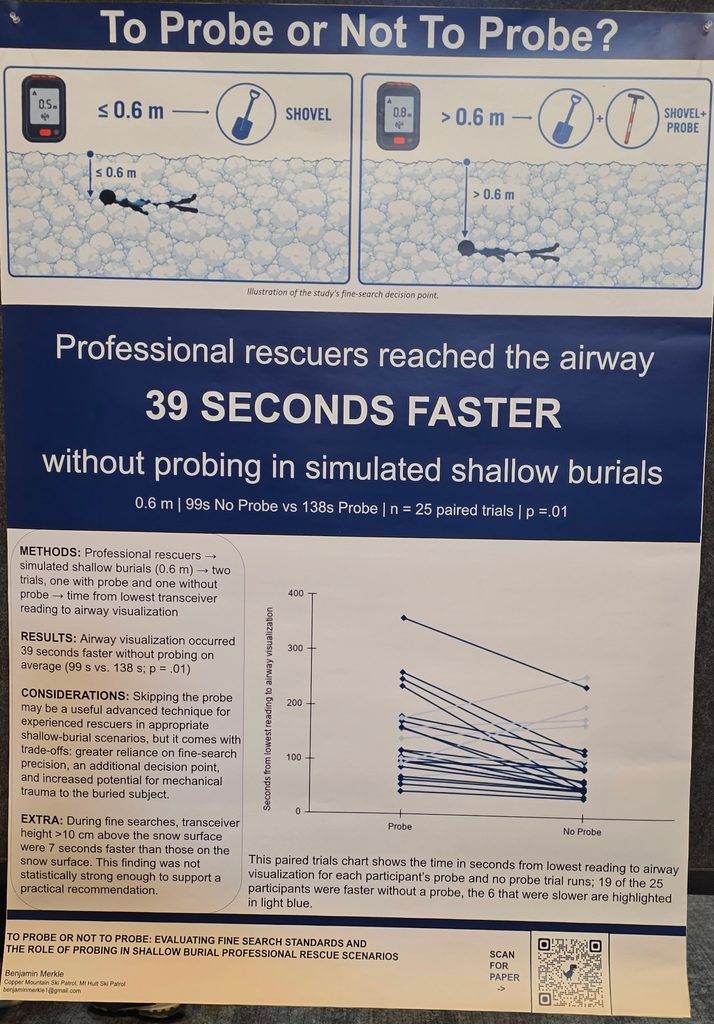
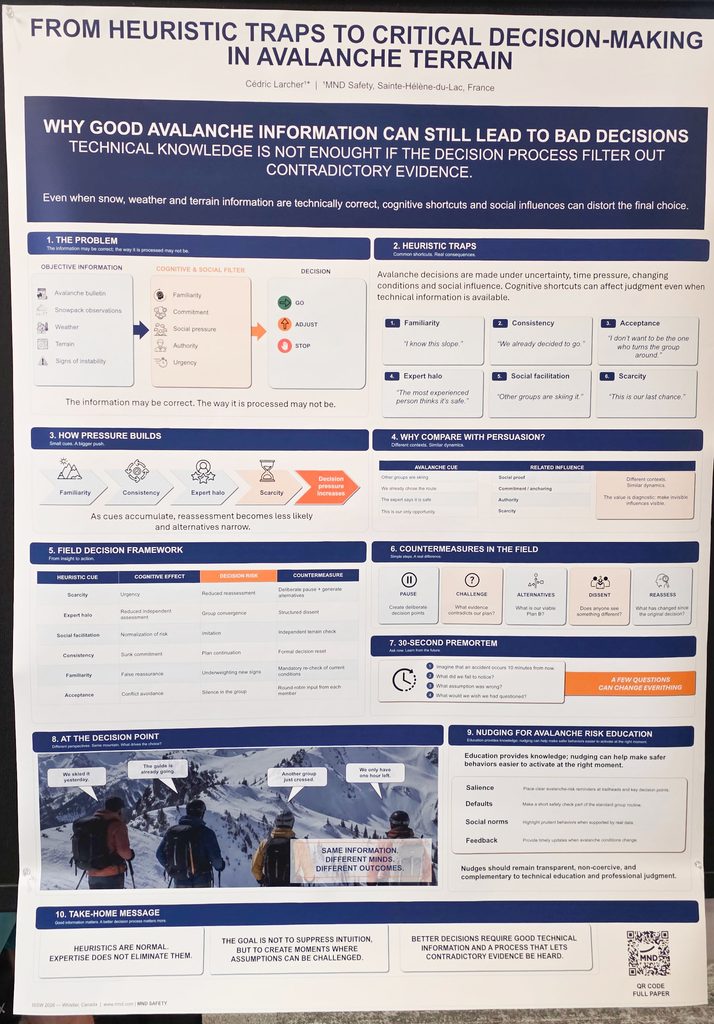
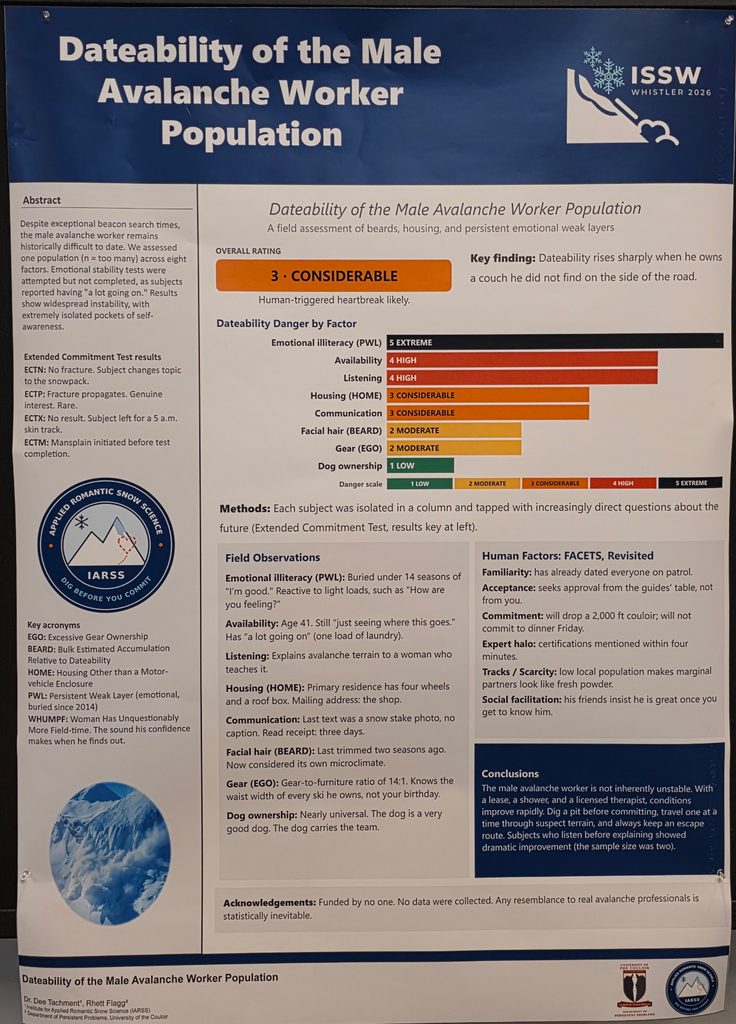
But perhaps the most talked-about, photographed, and discussed poster of the whole week came from a small sample size from one maybe-biased surveyor:
More to Come
I still have a pile of notes to go through, so will be trying to distill the onslaught of information in the coming weeks. Keep an eye on our Home Page or more emails to come out sharing the information. I’d love to know if this is useful info to you! Feedback helps shape the information worth sharing.
Lots of exciting things coming up, as well. Since fall is here we will be doing a workshop on analog navigation. If you’re interested, stay tuned for more details as that is finalized.
Until then, have some fun and stay safe! Try to do some good out there while you can.

Steve Andrews is a lifelong adventurer since before he could walk. A skier since age 2, snowboarder since 11, he began his guiding career in 2007. He has a passion for teaching people how to fish, and helping them discover their own power in the mountians. He started Alpine Islands to give people a different take on achieving mastery in the wild (hint: you’re never a master of Mother Nature). He lives in Horseshoe Bay, British Columbia with his partner and two kids.