An avalanche is not a random occurrence. Even though it can be hard to predict, the conditions leading to an avalanche are more of a science that can be studied and understood. Problem is, we overlook a major part of what leads to avalanches: weather patterns.
Understanding weather patterns is a huge part of avalanche awareness. Knowing the conditions that lead to suspect situations will become an invaluable skill, potentially saving your own life and the lives of those who listen to your judgment. The AST/AIRE curriculum does a good job helping people to understand the avalanche conditions, but we all could use more practice in recognizing the signs before it happens.
We are always fans of repetition and practice, which helps train the instinct to act automatically. Reading weather patterns is part of it. Personally, I’ve been able to avoid going out on days where situations lead to troublesome outcomes, only later finding out that people did go out with it costing them their lives. You rarely regret the line you didn’t ski, and so being able to recognize red flags and being able to dial back the risk is a huge step in safety that is often overlooked.
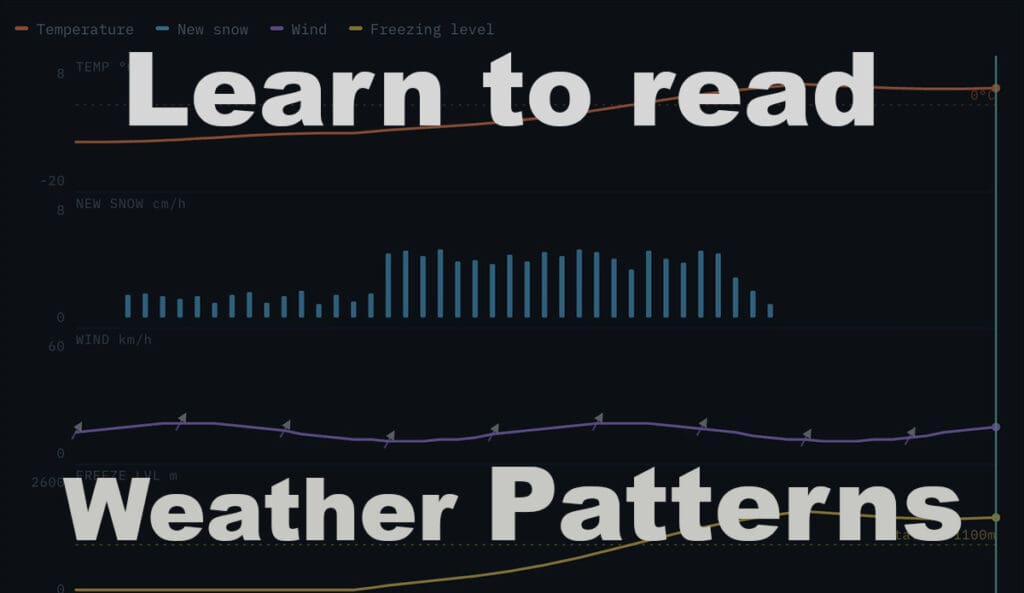
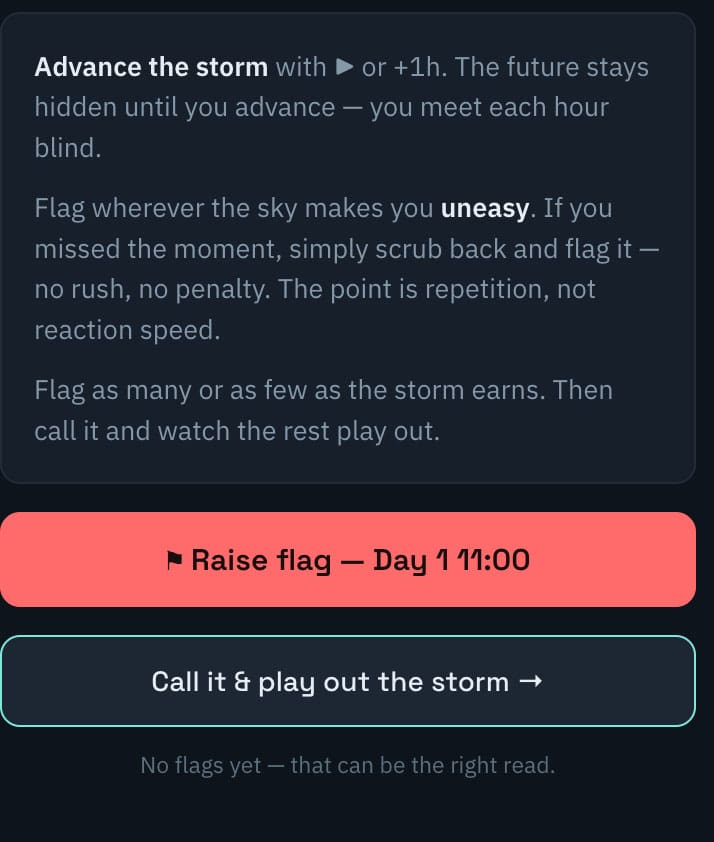
So we built an app to help you read those patterns, and train yourself to spot the red flags as they happen, so that you can either be more confident in the conditions, or realize when to take a step back. We’re happy to offer the backcountry community a new tool to deepen those pattern-recognition senses.
An App That Won’t Do The Thinking For You
This app won’t tell you that a slope is safe to ski or ride. I won’t, either, nor will anyone from Alpine Islands. It’s not in our philosophy to tell people how to think. What it will do, is help you read the signs and make the decision for yourself. That is better than any digital tool that will try to overrule your own decisions.
The Weather Patterns We Drill
Weather patterns for avalanche safety fall into a few main categories that we replicate in the app:
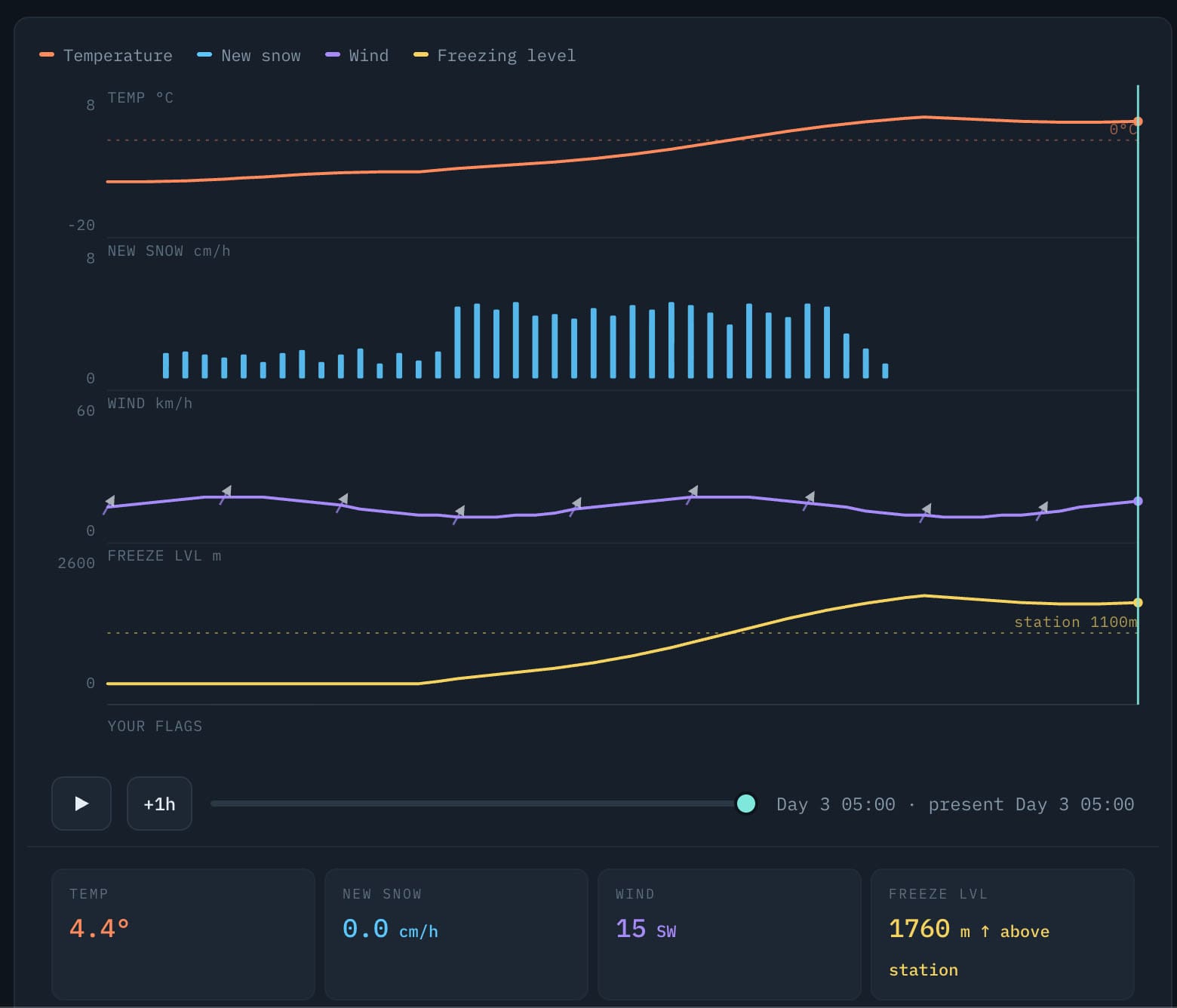
- The Upside-Down Storm: Upside-down situations are when heavy snow falls on top of less-dense snow. It’s one of the clearest weather warning signs of instability, and recognizing when/where that is occurring will help you avoid the danger slopes.
- The Wind Event: Wind loading leads to wind slabs. Understanding when fresh snow and wind line up can help you determine which aspects of the mountain are safe, and which can cause trouble.
- Rapid Loading: It’s the rate that matters, not just the total. The snowpack can adjust to snow that falls slowly, but not to snow that piles on fast. It’s important to recognize when to give the snowpack time to settle.
- Rain-On-Snow and Rapid Warming: A maritime specialty. When the freezing level climbs above you during a storm, or the temperature spikes, you get load, heat and water all at once.
- The Clear Spell, Then the Load: Cold, clear, calm weather grows surface hoar and facets right on the snow surface. Then a storm buries it, and it’s out of sight. This is the one case where weather data lets you watch a weak layer being made — if you were paying attention when it formed.
- A Calm Snowpack: Sometimes, the snowpack is good. This app doesn’t just look for scary situations, it helps you recognize when the conditions line up safely. But weather alone isn’t an indicator. If there are weak layers present, all bets are off.
That last one matters more than people expect. Learning when not to be alarmed is as much a skill as spotting the danger. If every storm looks like a red flag, you either never go out, or you stop trusting your own read, and neither one makes you safer. Some of the scenarios in the app are quiet on purpose, and calling them quiet is the sharp answer.
A Primer for Getting Outside
This tool is no substitute for getting out and seeing the snowpack for yourself. It is, however, a good way to practice at home in the offseason, to help tune the senses for when it’s real. Then, when you are able to recognize the clues in the wintertime, you can learn the days it’s better to go out and the days it’s better to stay in. Of course, make sure you compare your own judgment with professional avalanche forecasts to get more data. The more knowledge you have, the more power to make good decisions.

Steve Andrews is a lifelong adventurer since before he could walk. A skier since age 2, snowboarder since 11, he began his guiding career in 2007. He has a passion for teaching people how to fish, and helping them discover their own power in the mountians. He started Alpine Islands to give people a different take on achieving mastery in the wild (hint: you’re never a master of Mother Nature). He lives in Horseshoe Bay, British Columbia with his partner and two kids.