It has been an interesting season in the Northern Hemisphere.
2026 will go down as one of variability. Much of North America had some unseasonable warmth at some point, and some less-than-welcome droughts, only to be hit with surprise storms that unleashed a ton of precipitation in a matter of days, and then dry up again.
We also saw many unfortunate avalanche deaths in both North America and Europe, which woke people up to the massive risks involved in backcountry skiing and snowboarding. Hopefully we can learn from those mistakes to make the guiding industry better for everyone.
But now with winter behind us, we still have a spring season to enjoy. Some places (especially in the USA) might be dusting off their golf clubs and mountain bikes a bit earlier than usual, but here in Canada, we actually are just above the average snowpack, at least here on the coast. So with a couple months still to go of exploring the mountains on snow, here are a few tips to help you make the most of backcountry skiing and splitboarding in the spring.
The Spring Clock
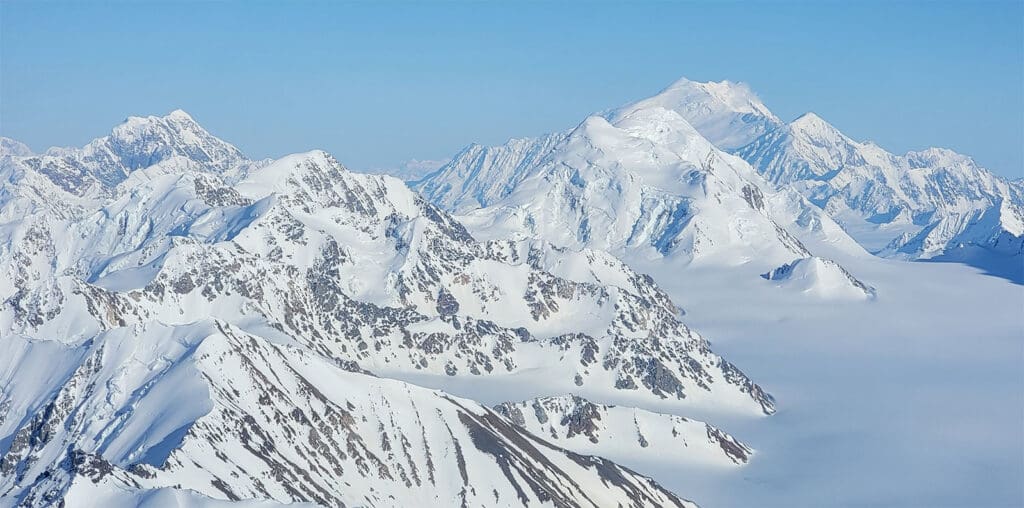
Spring in the mountains means a ton of variability. Nighttime often still sees temperatures below freezing, while the daytime brings a sun that is higher and stronger than in winter. This polarity causes immense change in the snowpack from day to night. The key is understanding the changes, and to work with it to your advantage.
The Morning: Firm and fast
If conditions did make the snow freeze overnight, the morning is all about fast, efficient travel. It’s also worth getting an early start before the sun causes a higher avalanche danger. So if you have the ability to get up early for a dark start, you can get a good lead on the conditions to be at the drop-in point just as it gets a bit softer, but before the danger is too elevated.
Working With Aspect
Springtime is where a good knowledge of aspect comes into play. The sun is strongest on southerly slopes, which isn’t really a surprise to anyone. But what many people don’t always pay attention to is the sun’s path throughout the day. This means that easterly slopes will get sun first, and westerly slopes get warmest in the afternoon. Playing that to your advantage when route planning can play to your advantage if you know to go up a westerly slope in the morning for faster travel, or to avoid southerly slopes when there’s rapid change.
If the temps did not freeze overnight, then the clock never reset, so you’re starting the day with a warming snowpack already. All bets are off in this regard and it’s best to aim for northerly slopes and places where overhead hazards are inconsequential.
Afternoon: Danger at Lower Elevation
One way the script is flipped from winter to spring is that oftentimes the lower elevations can have more danger than up high. This is due to it being warmer down low, so the chance for wet loose slides can be greater than up higher where winter-like conditions may exist.
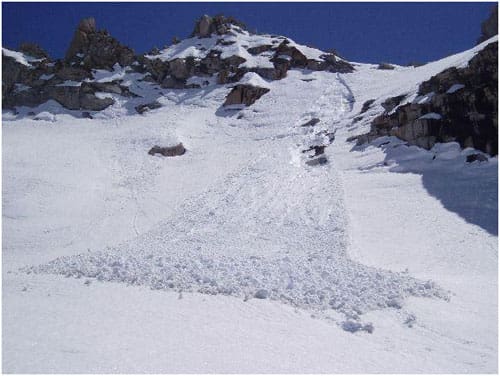
Furthermore, you can also be caught offguard in large avalanche paths because you can’t see the start zone. But warm-temperature avalanches can run a very long way, for a long time, so it’s important to stay out of known avalanche paths, even if it doesn’t look steep around you. Further up high, there could be something sketchy brewing that nobody would be able to detect. So stay out of big paths when its really warm out.
More than Just Avalanches: Spring Hazards
Springtime in the backcountry takes more than simple avalanche awareness. Many dormant hazards in winter are now active, and need to be taken into account when route planning and figuring out what slopes are or aren’t safe.
Cornices
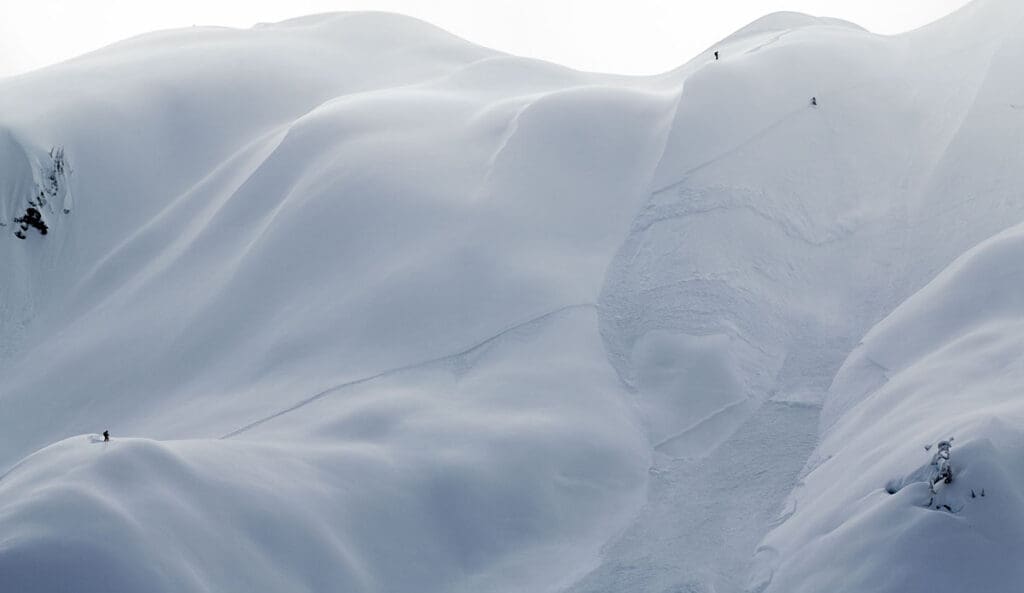
With warming temperatures come the increased likelihood of a cornice collapse. This can spell trouble if you’re traveling underneath them, even if the snowpack isn’t in a state of avalanche danger. A medium-sized cornice can weigh more than a bus, so if that comes tumbling down (and they all do, eventually), it has destructive potential.
The key is to avoid being anywhere near cornices in the afternoon, even if you’re on an aspect that isn’t getting hit with the sun. A common folly we people see is travelling underneath a cornice in the spring to get turns, but that can be a recipe for disaster.
Crevasses
If you travel in glaciated terrain in the spring the danger of falling in a crevasse is a major threat. This one hits home as an old friend and roommate, pro skier Dave Treadway, died this way on a simple maneuver that caught everyone by surprise.
The simple rule is that if you’re on a slope with a glacier and not barrelling downhill, wear a harness and a rope. Even when heading down, have a harness on in case you or someone in your group needs it. Crevasse rescue isn’t easy, but it’s a skill one can master. We work with ropes as part of our training, but also have a very conservative approach when it comes to riding on glaciers in the spring. For the most part, it ain’t worth the risk.
Extra Gear
Spring has a few extra necessities to deal with the extra daylight and warmer temperatures. Here are a few essentials we add to the pack to ensure a bit of a better day out there:
Approach Shoes – You want some lightweight shoes so you’re not slogging in boots up dirt roads to get to the snow. Sometimes you can drive to the snowline, sometimes you can’t. When you can’t, it’s nice to have some extra kicks for the hike. I’m a big fan of Mammut, they blend lightweight with technical better than most.
Sunscreen – Always a bummer when you forget it. Don’t forget it. Try to get sunscreen with zinc oxide since it’s not as toxic… there will inevitably be some that makes its way into the ecosystem.
Headlamp – People can often forget to pack a headlamp if just going for a day trip and thinking they will be back with plenty of time to spare. Take it from experience: there will be a time that you’ll be coming back after dark. Something will always happen to keep you out later than you thought. Hopefully it’s because the conditions are stellar but oftentimes it can be an unwelcome detour or setback, so a headlamp is the bare minimum to have in case you end up staying a bit later.
Glacier Glasses – It’s well worth it to have glasses that have extra protection on the sides to keep light coming in. We listed a few on the link here that we like in case you don’t have any.
Crampons – A good pair of ski or splitboard crampons will turn a frustrating and slippery skin track into a grippy climb. It’s not only safer, but much faster. I’ve avoided firm slopes in the past due to it being too annoying to skin up… crampons do take some getting used to but will save you in the long run.
Final Thoughts for Spring
When a lot of people forget about snow once spring comes around, those of us who know and appreciate spring touring can end up having fun on skis or a snowboard for significantly longer than people who hang their gear up after winter.
The conditions and hazards aren’t any better or worse, just different. Sure, spring may not have bottomless pow on the regular, but corn snow is a type of fun all of its own. Camping is more tolerable, too. So don’t be a powder snob and enjoy the longer days, warmer temps, and springtime slush for a few more months, and hit some of the bigger objectives that you’ve been eyeing up all winter.