Alpine Islands is reader-supported. Some links on this page are affiliate links, which means I may earn a small commission if you buy through them — at no extra cost to you. It never changes what makes this list or what order it’s in. Gear earns its spot here or it doesn’t appear. Learn more about our Gear Review Policy.
Let’s get something out of the way right off the bat: goggles won’t make you a better skier or snowboarder. The wrong ski or snowboard goggles will make a bad day worse. The right ones will keep a good day from getting bad. They protect the eyes and face from snow, wind, and sun, keeping us able to see where we’re going, no matter what elements are in our way. And while skiing and snowboarding may have different styles and motivations, the sports have the same functions. So for this review we are merging the two camps to bring a definitive guide for both ski and snowboard goggles to see well on the mountain, no matter what mother nature throws at you..
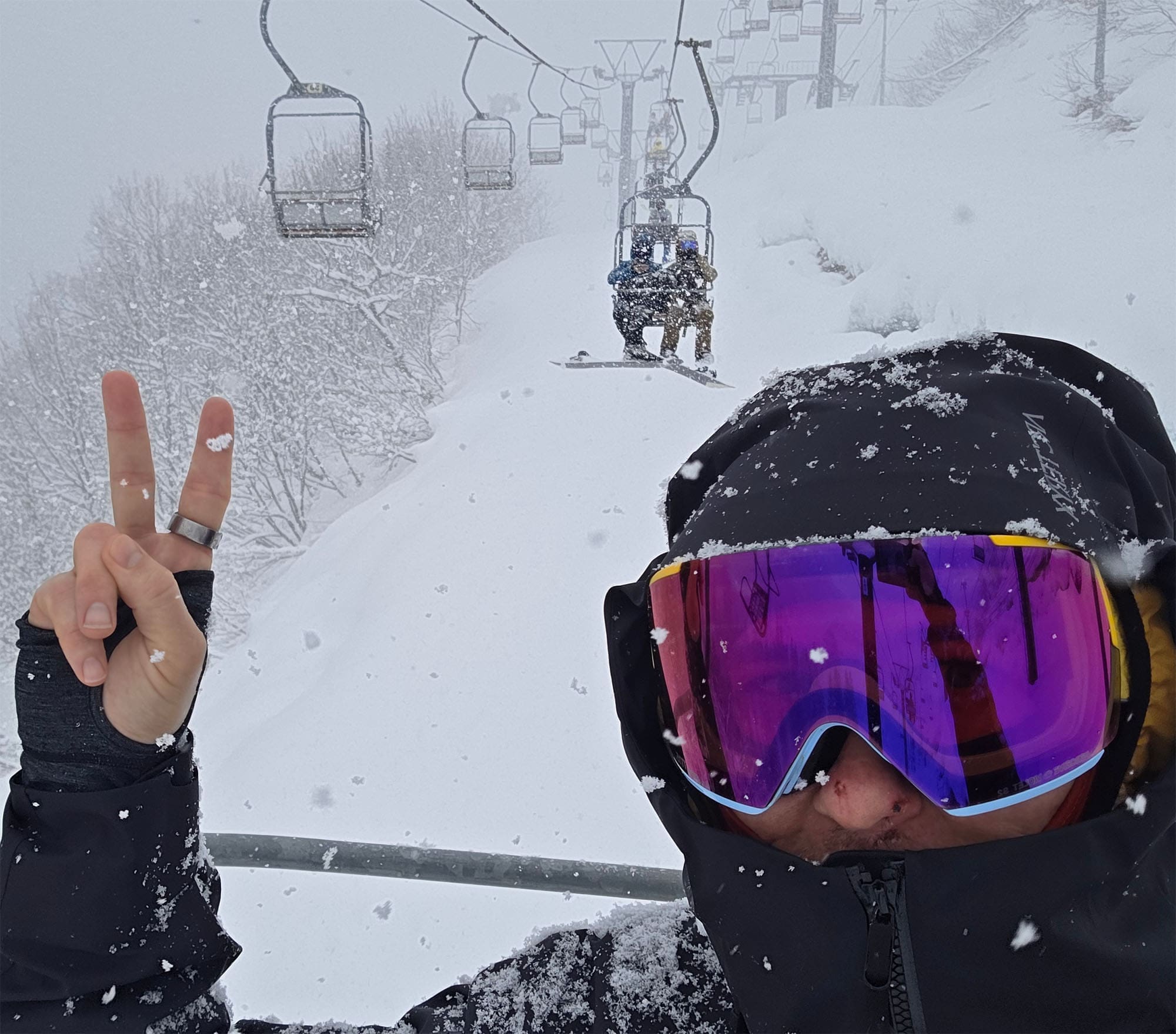
This list comes from several years of testing in probably the toughest environment for goggles: the coast mountains of British Columbia and the Cascade range, home to Mount Baker. It’s wet, warm, and snows a ton. We also took some pairs to Japan to see how it fared in the land of plentiful pow.
The results are pretty clear (or, with a nice contrasting tint, depending on the conditions). Goggles may have different bells and whistles, but the ones that stand out will help you see better in flat light, block the sun out when it’s sunny, be easy to change if interchangeability is an option; and also look cool and keep the wind out. It’s easy to overcomplicate it with goggles, but we are going to stick to what works, and only include bells and whistles if they actually matter for performance. It’s a pretty good list so far, so here’s what we have.
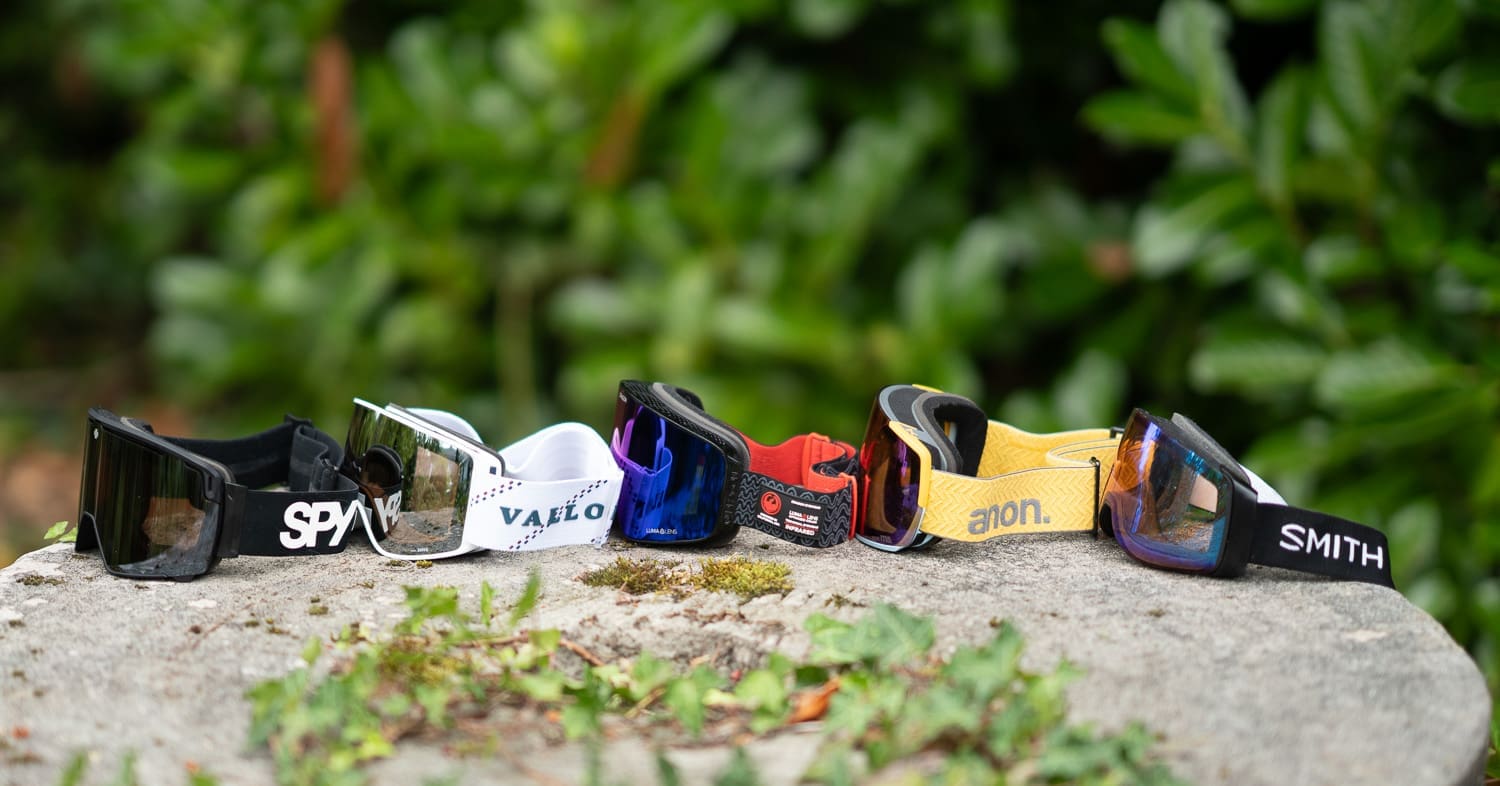
The Best Ski and Snowboard Goggles: Updated in September 2026
Best Field of View: Spy Crosspoint
Best Lenses in the Trees: Smith 4D MAG
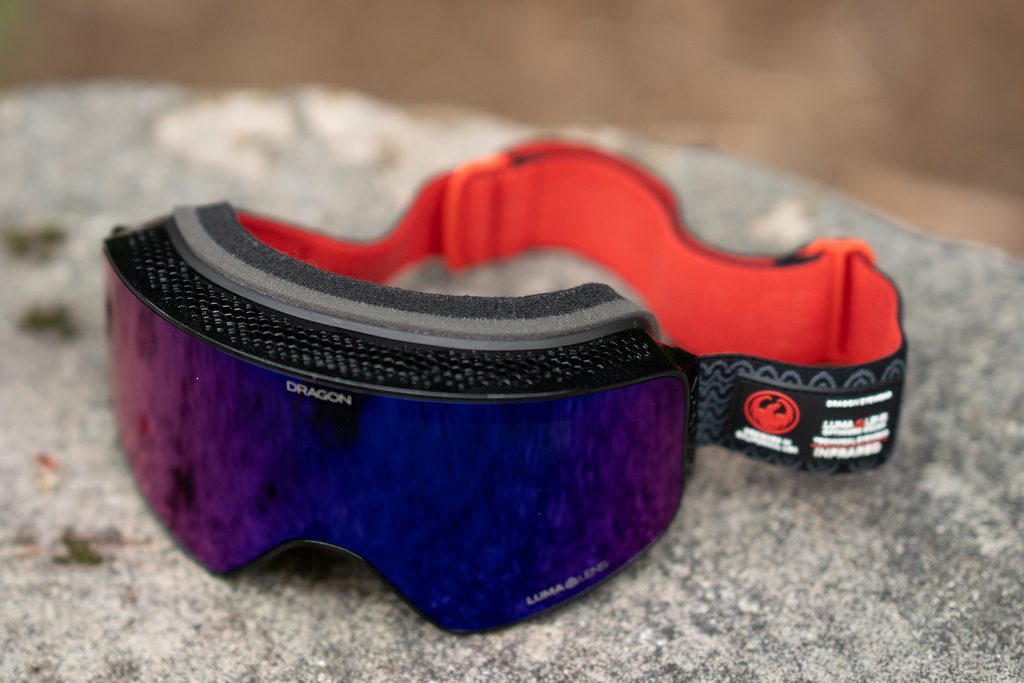
Best Lenses For Bright Days: Dragon NFX MAG
Best Locking Lens: Vallon Crossroads
Best Overall Goggles: Anon M5
Quick Comparison
| Goggle | Award | Lens Shape | Lens Change | Fit | Price (USD) |
|---|---|---|---|---|---|
| Spy Crosspoint | Best Field of View | Cylindrical | Magnetic, no lock | Large | Not yet released |
| Smith 4D MAG | Best Lenses In the Trees | BirdsEye Vision | Smith MAG magnets + dual locks | Medium (Low Bridge available) | ~$355 |
| Dragon NFX MAG | Best Lenses For Bright Days | Cylindrical | Swiftlock magnetic | Frameless, medium [***] | ~$300 |
| Vallon Crossroads | Best Locking Lens | ZEISS toric | PolarLock magnets + mechanical release | Medium/large unisex | ~$249 |
| Anon M5 | Best Overall | Flat toric | Magna-Tech magnets, no lock | Medium/large unisex (Low Bridge available) | ~$320 |
Specs verified September 2026 against manufacturer pages. Prices are US list and drift by retailer and region.
Best Lenses In The Trees: Smith 4D MAG
Bottom Line: The best lens here for the trees, in a well-engineered frame that needs to be babied.
Lens Shape: BirdsEye Vision — Smith claims a 25% larger field of view than the I/O MAG
Lens Tech: ChromaPop, 100% UVA/UVB
Lens Change: Smith MAG magnets with dual locking mechanisms in the frame outriggers
Fit: Medium; Low Bridge Fit available
Venting: AirEvac, three-layer face foam
In the Box: Two ChromaPop lenses (bright + low light), hardcase, microfiber bag
Price: ~$355 USD
Pros: Class-leading lens clarity, locking magnets, excellent hard case
Cons: Expensive, lens tabs protrude, frame bulges out
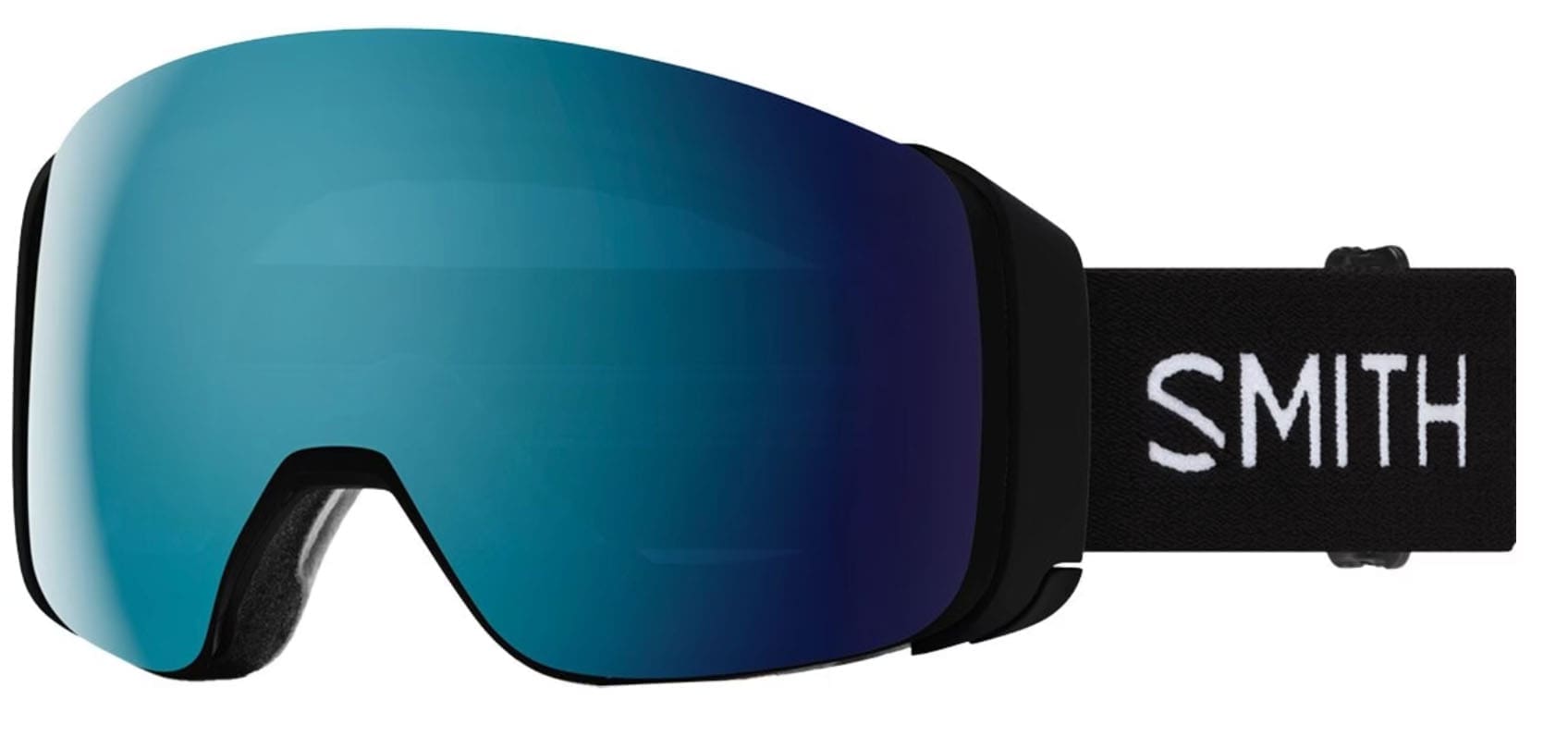
Smith has been in the game for a long time, and it shows. Their ChromaPop tech is some of the best in the biz, and they have been refining it for several years. It’s my favourite lenses in the trees, and the tapered shape at the bottom gives a bigger field of view than the size would suggest. They are well engineered, but require some extra attention since they bulge out a bit. Speaking of, the tabs to change the lenses do poke out a bit. I never had them catch or anything, but those who like a more sleek profile may not be a fan.
They are pricey, so only people who baby their goggles should use them. They aren’t a good set to just abuse. They will hold up remarkably well if stashed in the sleeve and given ventilation to dry out, but they are still plastic and foam and will succumb to the elements if you don’t take care of them.
The goggles also come with one of the best hard cases in the game. The ventilation on the bottom means you don’t have to worry as much about them drying out, although it’s still good to take it out of the car overnight. It’s a nice touch if you happen to forget, but still make it a habit to dry out by hanging up to keep it fresh.
Read more about the 4D Mag goggles in this In-depth review.
Best Lenses For Bright Days: Dragon NFX MAG
Bottom Line: The least eye fatigue of anything here in full spring sun, in a genuinely low-profile frame.
Lens Shape: Premium injection-moulded cylindrical
Lens Tech: Lumalens; the Infrared lens blocks 99% of infrared rays (Dragon’s figure)
VLT: 6% for the Solace Infrared lens, but plenty of others to choose from
Lens Change: Swiftlock magnetic
Frame: Patented frameless design, armoured venting, triple-layer face foam
Price: ~$300 USD for the NFX MAG OTG Infrared with bonus lens.
Pros: Outstanding bright-light performance, low profile, great top venting, looks rad
Cons: Swiftlock spring is a potential failure point, thinner silicone backer than some
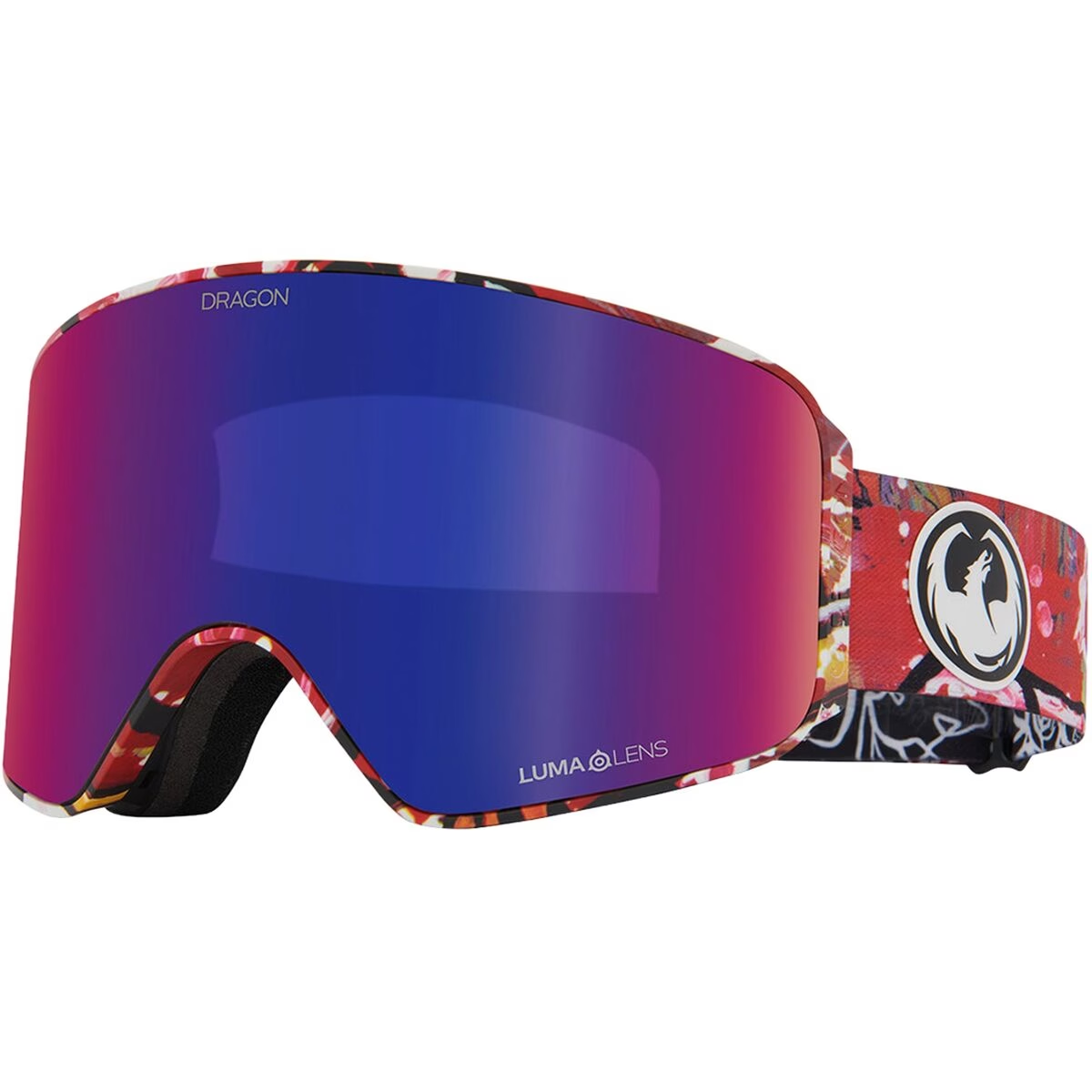
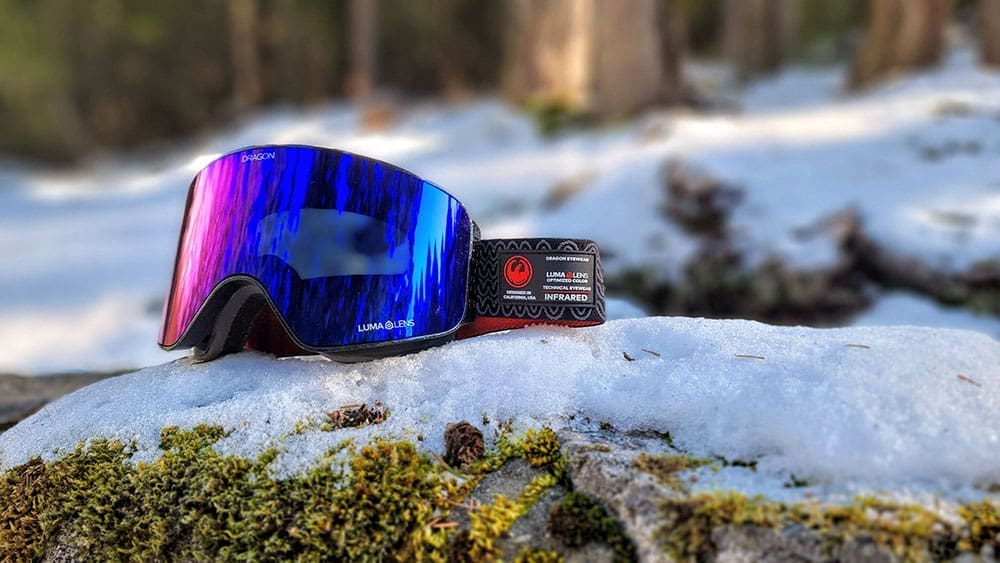
The infrared-blocking lenses really do work. I’ve been out in full spring sun with these and they give the least amount of eye fatigue. Plus, they look super rad. The silicone backer has a webbed shape feature that gives a bit more protection than a simple band, but it’s not as thick as the Spy version. So it’s a bit of a tradeoff on girth vs. surface area.
The Swiftlock system has a spring in it, so it’s a point of failure to be careful of. It’s still working here, but it’s a failure point that could possibly go, so make sure to not be too rough if you want it to last.
Best Locking Lens: Vallon Crossroads
Bottom Line: A magnetic lock you can flick with a glove on, while the goggles are still on your face.
Lens Shape: ZEISS toric, 1.6mm shatterproof polycarbonate
Lens Change: PolarLock — magnets plus a mechanical safety release
VLT: Cat. 1–Cat. 4 across the range (6–72%). Ships with a Cat. 3 lens (12–17% depending on mirror) plus a Violet Cat. 2 at 31%
Anti-Fog: Mazzucchelli anti-fog inner lens
Frame: TPU, medium/large unisex, 98mm high x 176mm wide
Strap: 50mm silicone-lined nylon
Extras: Bonus lens, microfiber pouch, lens case, lifetime guarantee, 1kg of plastic waste recovered per pair via CleanHub
Price: ~$249 USD
Pros: Lock-and-swap without taking them off, ZEISS optics, second lens included
Cons: One frame size only, main lens VLT is fixed to the colourway you pick
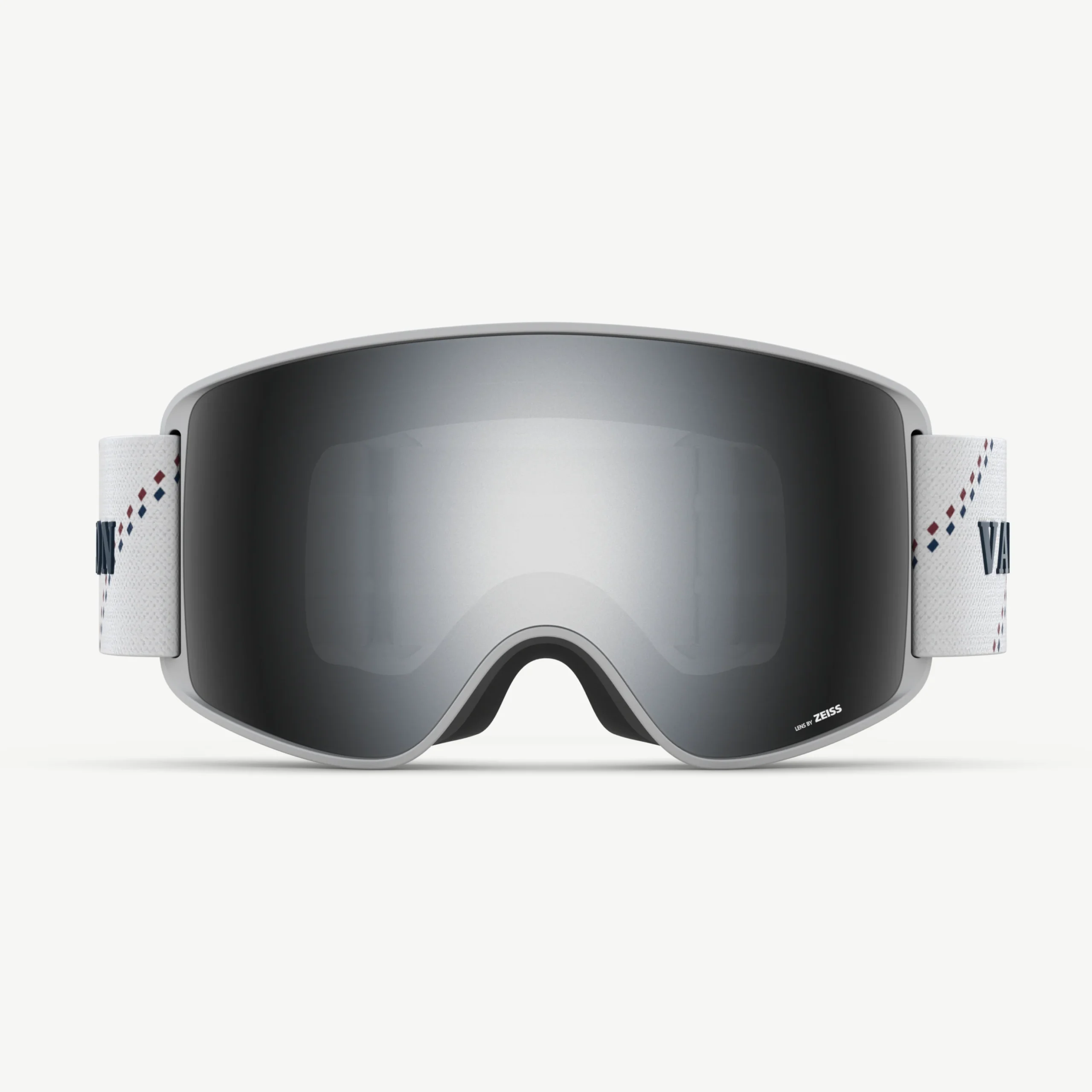
Vallon is the new kid on the block out of all these goggles, started by two Belgian brothers who weren’t satisfied with what’s currently out there. Less than a decade later, and they have a massive array of both goggles and sunglasses with a loyal following, present company included. The Crossroads is their first foray into magnetic lenses, and they knocked it out of the park. Tucked right on the side, the switch is just an easy flick to swap lenses while still wearing them, perfect for de-fogging on the chairlift or quick swapping in the trees.
Their website offers a few different styles, each with a different VLT for the main lens. So it’ll really depend on where you are. But all the lenses are pretty rad, so choosing which style will probably have you wanting to buy an extra lens just to have onhand for when conditions change. You get a bonus violet lens but it also might be worth it to have an extra darker lens just because they look so darn cool.
Best Overall Goggles: Anon M5
Bottom Line: Fast magnetic swaps, two lenses, and the magnetic facemask nobody else has — the most complete package here.
Lens Shape: Flat toric
Lens Tech: Perceive, 100% UV, hydrophobic and oleophobic outer coating
Lens Change: Magna-Tech magnets, up to nine points of connection (model dependent), no mechanical lock
Fit: Unisex, medium to large; Low Bridge Fit available; M5S for smaller faces
Extras: MFI magnetic face mask, bonus lens, microfiber goggle bag
Warranty: 1 year
Price: ~$319.95 USD (check current)
Pros: Magnetic facemask, easy swaps on the chair, huge lens range, strong magnets
Cons: No locking mechanism, premium price
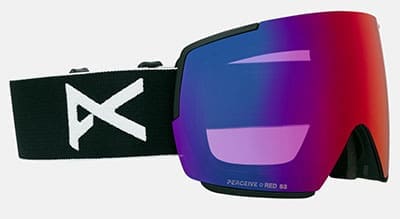
Anon is part of the Burton family, so many skiers might turn their nose at goggles by a snowboard brand. But goggle snobbery isn’t welcome here, as these are excellent. Snowboarders have known about Anon for a long time, so I’m probably not saying anything new to those who are in the know. They keep innovating, and there is already a pair of M6 goggles out there, yet I have not tried them. I do have a Wavecel helmet that fits quite nicely with the M5 so I don’t know if I’ll need to upgrade anytime soon.
The big bonus with the Anon system is the bonus facemask that comes with it. It’s magnetic too, so you can easily just clip it on and take it off when needed, allowing for the smoothest bandana application anywhere. They must have a patent on it because nobody else does it, but man it’s a sweet idea. And yes, even skiers will appreciate it.
You have to be careful though because there is no locking mechanism for the magnetic lenses. That said, the magnets are remarkably strong, and despite numerous bails, I’ve yet to have them go for a ride on their own.
Read more about the M5 goggles in this in-depth review.
Best Field of View: Spy Crosspoint
Bottom Line: A massive periphery on a low-profile cylindrical lens, best suited to larger faces and a helmet.
Lens Shape: Cylindrical
Field of View: 190°+
Lens Change: Magnetic, no locking mechanism
Lens Tech: Happy Boost
VLT: [***]
Frame Size: Large
Price: not yet available
Pros: Enormous field of view, sleek profile, grippy silicone strap
Cons: Too much frame for smaller faces, no lens lock, dark tint limits variable days
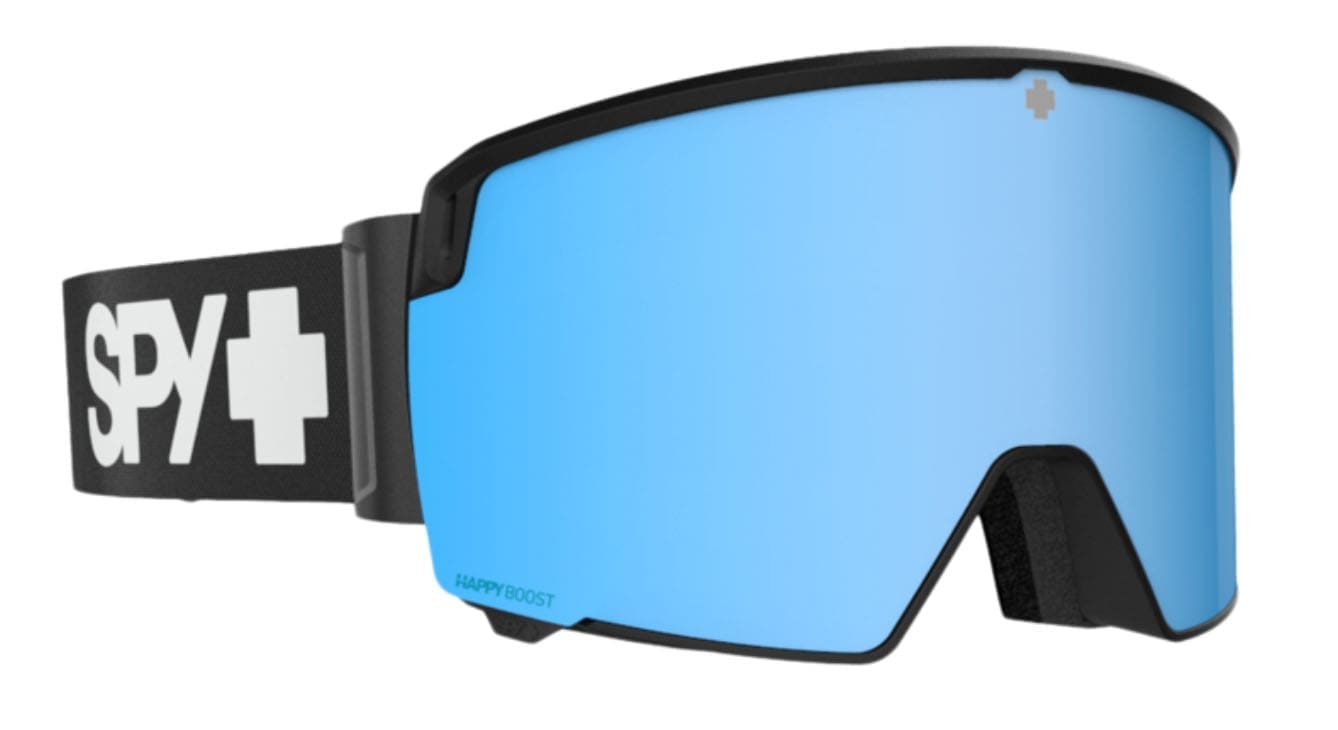
The Crosspoint sports a nice large cylindrical lens that doesn’t feel overly large. The minimalist frame holds the lens in well, but is still easy enough to change lenses by pressing your thumb in the corner. It doesn’t stick out like other lens-lock systems, which is a bonus if you bail and worry about things breaking.
These have a huge field of view, and is one of the bigger frames we have. That means more surface area, so smaller faces might be overwhelmed. It’s great for larger faces who want a massive periphery on a low-profile lens.
This definitely has a better fit on a helmet, as the silicon band can shuffle a beanie (or toque for the Canadian brethren) quite easily since it’s so tacky. But on a helmet, it’ll stay put. We should all be wearing a helmet anyway… hopefully that too-cool-for-head-protection fad fades sooner than later.
Just be careful about downward collisions. Since the lens sticks out a bit for easy removal, it also means it can be jarred in a crash. The tradeoff is speedy changeover, but with the risk of them flying if you get a knee to the face.
The Crosspoint isn’t available to buy yet. I’ll add a link here as soon as it lands.
How I Tested The Best Ski and Snowboard Goggles
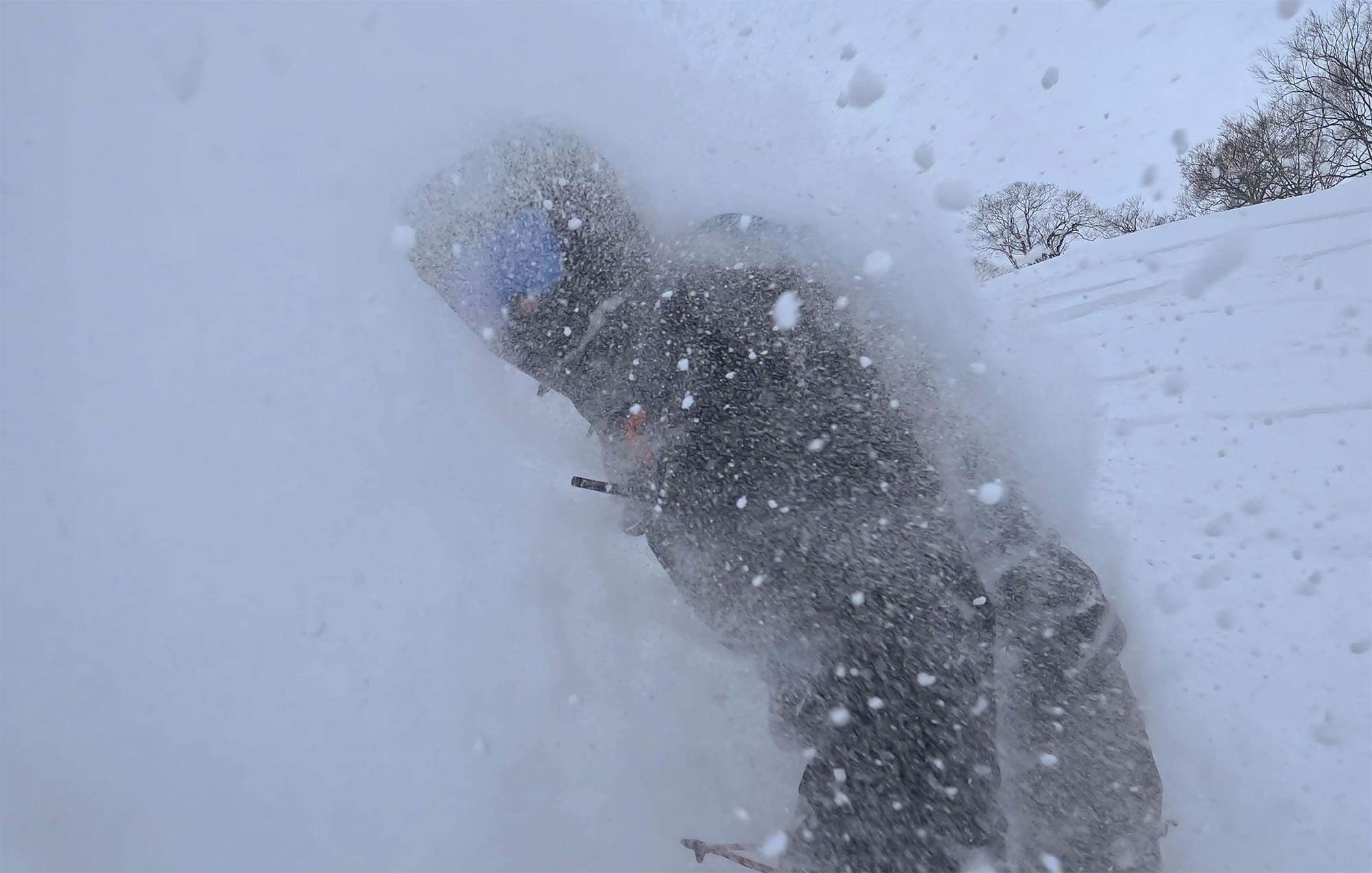
Testing goggles honestly means wearing them where goggles get punished. For me that’s the Coast Mountains of British Columbia and the Cascades around Mount Baker: wet, warm, and absurdly snowy. If a lens is going to fog, ice up, or wash out in flat light, it will do it here within a few days. A handful of these pairs also came with me to Japan, which is a different kind of test: colder, drier, and deep enough that you spend a lot of the day with your face in massive pow clouds.
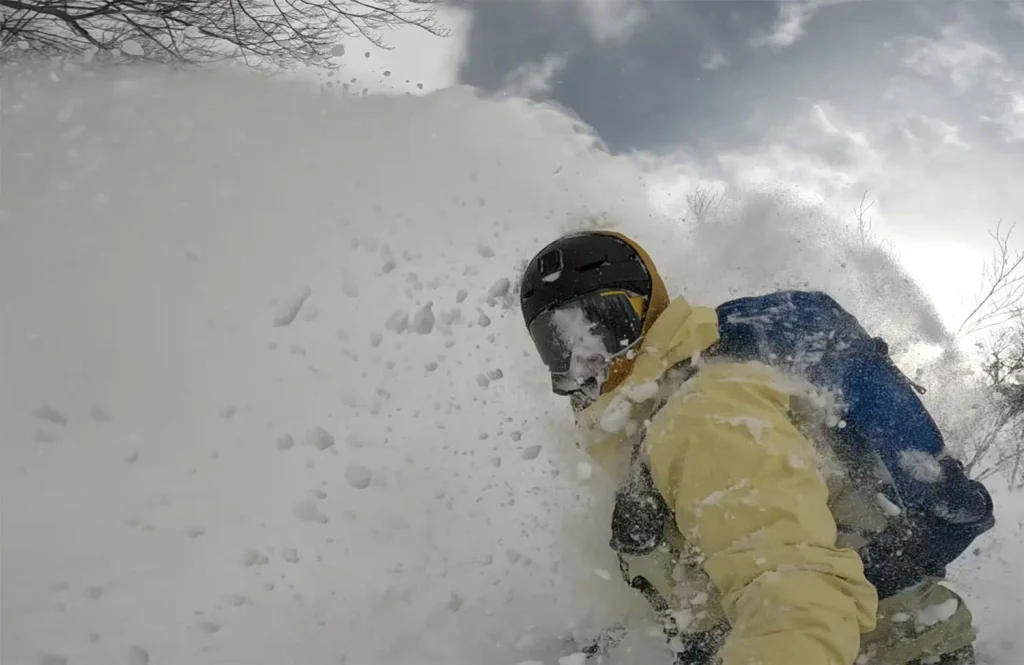
My day job puts me in that terrain more than most. I’m a CAA avalanche educator and a ski guide with the Canadian Ski Guide Association, and I’ve been on snow for just over 40 years. Both roles mean long days out regardless of the forecast, which is exactly when goggles either earn their keep or ruin your afternoon.
The criteria were simple, and roughly in this order. Can I read the terrain in flat light? Do my eyes feel cooked after a full day in the sun? Can I swap a lens on a chairlift with gloves on, or does it turn into a two-hand operation with the wind blowing? Does the strap stay put? And when I inevitably crash, do the lenses stay in the frame?
Everything else including case quality, venting design, bonus lenses, and how cool they look matters, but it sits behind those five questions.
What to Look for When Buying Ski and Snowboard Goggles
Here’s the honest truth about goggles: the vast majority of them have far more in common than they differ. Two dual-lens goggles from two good brands at the same price will perform closer to each other than the marketing copy suggests. So a lot of this comes down to personal preference: what fits your face, what fits your helmet, and what you’re willing to spend. These are the factors that actually matter.
Lens Quality: This is the one thing worth paying for. Contrast-enhancing lenses like ChromaPop, Lumalens, Perceive, and Happy Boost all do roughly the same job, which is filter certain wavelengths so terrain definition pops in flat light. I’m here to report that they all do it well. What differs is the tint and how it reads in your conditions. A lens that’s magic in the trees isn’t always the one you want on a glacier.
Fit On Your Face: No lens tech saves a goggle that doesn’t seal. Check for gaps at the nose and along the cheekbones, and know that most major brands now offer a low-bridge fit for exactly this reason. Frame size matters too — a big frame on a small face is uncomfortable and unflattering, and a small frame on a big face gives you tunnel vision.
Helmet Compatibility: Put the goggle on the helmet you actually own before you commit. You’re looking for no gap between the top of the frame and the brim of the helmet, and for the strap clip to sit flat without the outriggers pushing the frame off your face. Same-brand pairings usually integrate best, but plenty of cross-brand combinations work fine.
Lens Options and Swappability: Being able to change lenses is clutch, but the system matters more than the fact that it exists. Straight magnets are fine if you aren’t doing huge bails. If you’re the type to do big yard sales on the regular, a mechanical lock (or a static lens with a spare pair in your pocket) may serve you better. Getting a face full of snow because your lens popped out can ruin the day.
Cost: This is a bigger factor than people admit. Unless you like setting money on fire, it’s probably not a winning strategy to get the most expensive goggles just to look cool if you’re not going to care for them. They will scratch, no matter how much anti-scratch coating they tell you is on there. Buy the pair that matches how you actually treat your gear.
Understanding VLT
VLT stands for visible light transmission, and it’s the number that tells you how much light the lens lets through. The lower the VLT percentage, the less light comes in. A 6% lens is a very dark lens. A 70% lens is nearly clear. Every lens also gets a category rating from 0 to 4 under the European standard, and the two numbers track each other. Here’s how I think about the ranges in practice.
3–8% (Cat. 4): Glacier and high-alpine only. Spring corn at 2,500 metres with the sun bouncing off everything. These are too dark for the resort, and genuinely unsafe for night skiing or driving.
8–18% (Cat. 3): Your classic bluebird lens. Full sun, hard light, no cloud. This is the range most “sunny” lenses live in, and it’s the one you’ll reach for on the best days of the season.
18–43% (Cat. 2): The all-rounder. Partly cloudy, high overcast, sun-then-cloud days where you don’t want to be swapping every hour. If you’re only ever going to own one lens, this is the range to own.
43–80% (Cat. 1): Storm days, flat light, tree runs, and dusk laps. This is the range where a good contrast tint earns its money, because there’s barely any definition out there to work with in the first place.
80%+ (Cat. 0 / clear): Night skiing and dawn patrol. Basically eye protection with no tint.
If you live somewhere with consistent weather, pick the range that matches and don’t overthink it. If you live somewhere like the Coast Range, where a single day can go from whiteout to sunshine and back, a Cat. 2 lens plus a low-light spare covers almost everything.
How to Care for Your Goggles
Goggles are plastic and foam. They will not last forever, but how long they last is almost entirely up to you. A few habits will double the life of a pair.
- Dry them out after every day. Hang them somewhere with airflow rather than leaving them zipped in a pack or face-down in a car. Wet foam is how goggles die.
- Never wipe the inside of the lens. The anti-fog coating lives on that inner surface and it does not survive contact with a glove, a sleeve, or even a microfiber cloth when it’s wet. If snow gets inside, shake it out and let it air dry.
- Watch for mould and mildew. Damp foam stored in a dark bag grows things. Ventilation after riding is the entire fix. It costs nothing and it’s the single most skipped step.
- Store them in a case. Not a jacket pocket, not loose in the boot bag with your edges. A hard case if the goggle came with one, the microfiber bag if it didn’t.
- Don’t stretch the strap. Parking them on the outside of your helmet all afternoon is convenient, but it works the elastic every time and wears it out faster. Just be aware of what you do with them when you aren’t wearing them, and they’ll have a long, happy and productive life.
Frequently Asked Questions
Are ski goggles and snowboard goggles the same thing?
Functionally, yes. There is no meaningful design difference between a ski goggle and a snowboard goggle — the same models are sold to both, and the brands that market to one work perfectly for the other. Pick based on fit, lens, and helmet compatibility, not the logo on the strap.
What VLT should I get if I only buy one lens?
Something in the 18–43% range, which is Category 2. It’s dark enough to handle a sunny morning and light enough to still function when the cloud rolls in. If your local hill is mostly storm days, bias toward the higher end of that range.
Do I need magnetic lenses?
You don’t need them, but they’re genuinely nice when the light changes mid-day and you want to swap on a chairlift with gloves on. If you crash hard and often, you’ll want a system that adds a mechanical lock to the magnets rather than relying on magnets alone.
How do I stop my goggles from fogging?
Keep air moving through them, keep the inner lens dry, and never wipe that inner surface. Most fogging on a touring day comes from parking hot, wet goggles on your forehead during the skin track and then pulling them back down. Carry them in a lens sleeve instead.
How long should a pair of ski goggles last?
Several seasons if you dry them out and store them in a case, and one rough winter if you don’t. The lens coating and the face foam fail long before the frame does, which is why care habits matter more than price.
Eyewear For The Backcountry: Glacier Glasses and Sunglasses
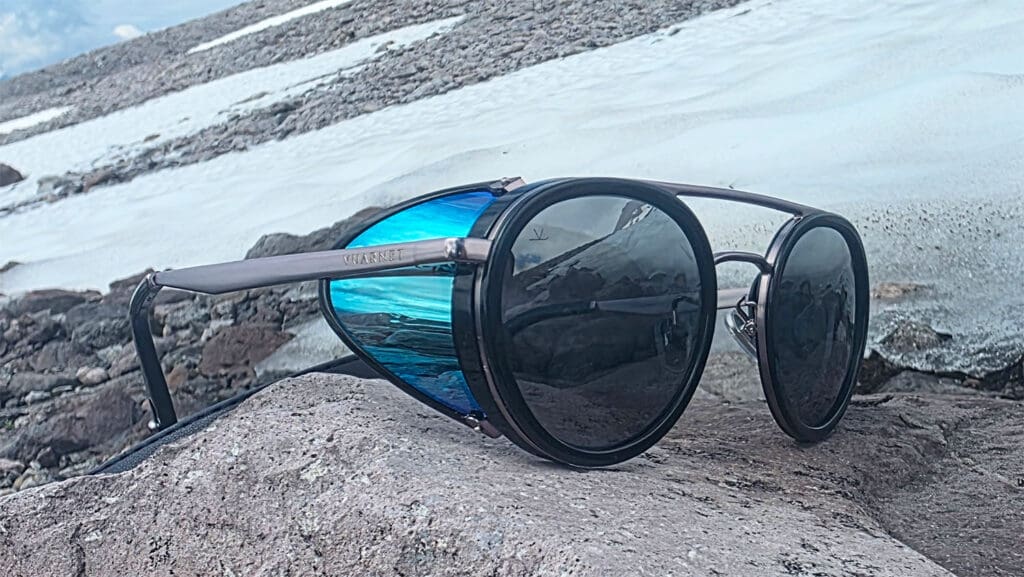
Goggles are great while going down, but can be pretty cumbersome and fog up when skinning. Fear not, we also have a review page for Glacier Glasses as well as sunglasses for the backcountry. Check those out as a complement to the downhill. You’ll be happy you did.
Final Thoughts
Every goggle on this list is top of the line, otherwise we wouldn’t put them in a “best of” article. We don’t get paid to shill products, but hope to offer value to our readers by sharing what works great out there. The differences between them are pretty narrow: how the lens reads terrain in bad light, whether the frame fits your face and your helmet, and how much hassle it is to swap a lens when the weather turns. The Anon M5 took the overall nod because it does all three well and throws in the facemask, but the honest answer is that any of these five would be a good buy for the right face and the right conditions. The Crosspoint is the biggest, The 4D Mag punches well above its size, and the Vallon Crossroads are giving the big companies a run for their money.
Whatever you land on, dry them out, keep them in a case, and stop wiping the inside of the lens. That’ll do more for your vision on the hill than another fifty dollars of lens tech or the latest bells and whistles.
Thanks for reading! We have plenty of other Gear Reviews to help you get gear that lasts while in the mountains. To learn more about Alpine Islands, read about What Sets Us Apart, and please contact us if you’d like to be part of the fun. We hope to see you out there!

Steve Andrews is a lifelong adventurer since before he could walk. A skier since age 2, snowboarder since 11, he began his guiding career in 2007. He has a passion for teaching people how to fish, and helping them discover their own power in the mountians. He started Alpine Islands to give people a different take on achieving mastery in the wild (hint: you’re never a master of Mother Nature). He lives in Horseshoe Bay, British Columbia with his partner and two kids.