
Alpine Islands is reader-supported. Some links on this page are affiliate links, which means I may earn a small commission if you buy through them — at no extra cost to you. It never changes what makes this list or what order it’s in. Gear earns its spot here or it doesn’t appear. Learn more about our Gear Review Policy.
Goggles are a crucial part of mountain happiness. It doesn’t matter if it’s bright sunshine or a sideways blizzard. The elements will punish your eyes without proper protection. So it’s worth it to not cheap out when it comes to a good pair of goggles.
After owning a pair of the 4D MAG for the past few years, I can say with confidence that they are one of the best goggles out on the market for their unique design, easy swap-ability, and the quality of the lens itself.
The Smith 4D MAG also took Best Lenses In The Trees in my roundup of the best ski and snowboard goggles, where you can see how it stacks up against the Anon M5, Vallon Crossroads, and Dragon NFX MAG.
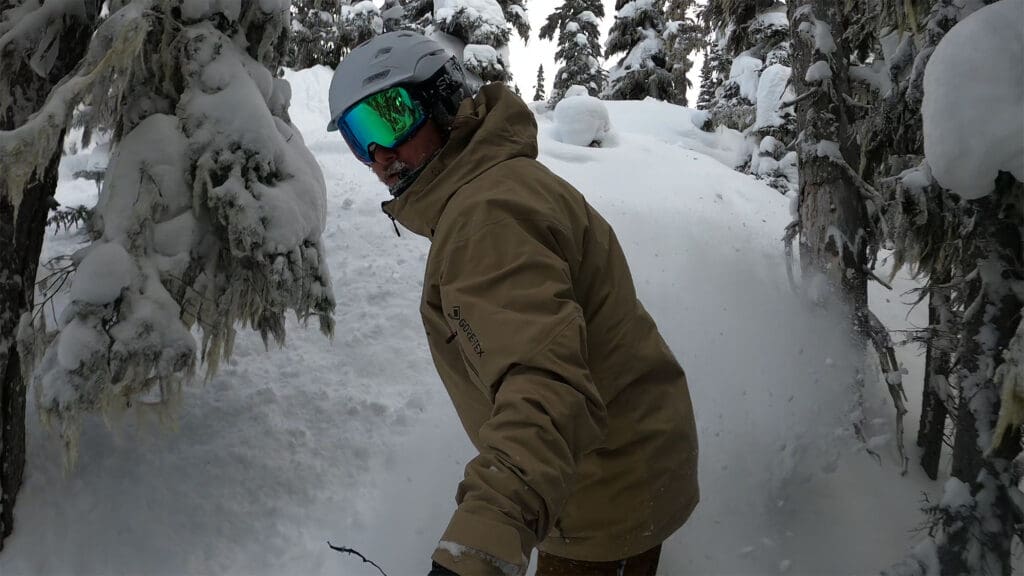
Smith 4D MAG: First Impressions
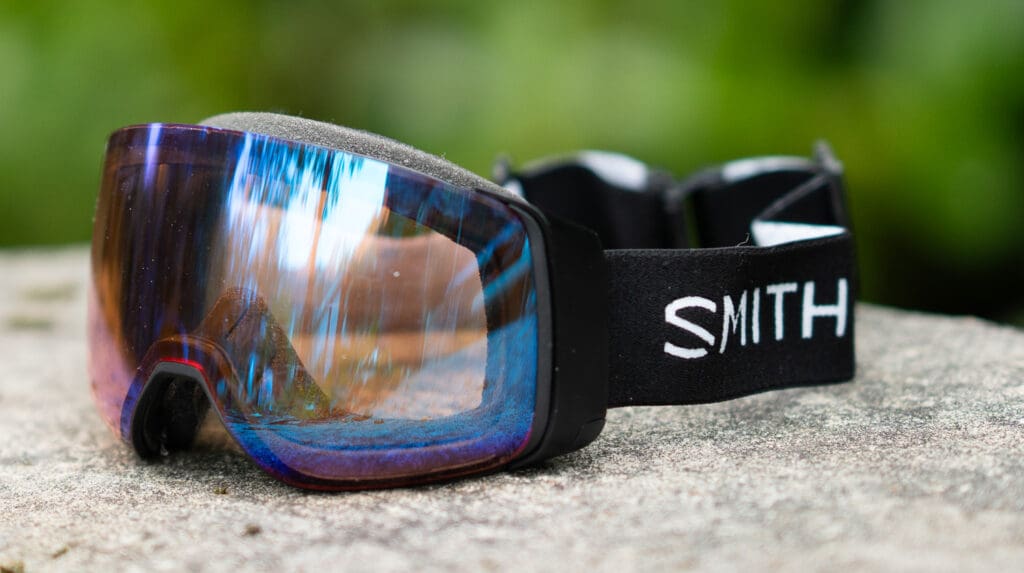
Right out of the box, I was surprised with how small the goggles were. I mean, they aren’t small, but they aren’t oversized by any means. They have a nice slim profile. I did notice a small bubble at the bottom where the lens tapers downward, and that’s by design. It’s what separates these goggles from the others and actually improves the field of view by a large margin for how compact they are. Sure enough, when putting them on, they do just that. And the quality of the lens really is top-notch. Every goggle brand has their own trademarked lens name, but the ChromaPop does indeed make the colours pop.
Bottom Line: The best lens here for the trees, in a well-engineered frame that needs to be babied.
Lens Shape: BirdsEye Vision — Smith claims a 25% larger field of view than the I/O MAG
Lens Tech: ChromaPop, 100% UVA/UVB
Lens Change: Smith MAG magnets with dual locking mechanisms built into the frame outriggers
Fit: Medium; Low Bridge Fit available
Venting: AirEvac, three-layer DriWix face foam
Strap: Ultra-wide silicone-backed, QuickFit adjustment
In the Box: Two ChromaPop lenses (bright installed, low light bonus), hardcase, microfiber bag with lens sleeve
Weight: [***]
Price: ~$355 USD
Pros: Class-leading lens clarity, locking magnets, excellent hard case
Cons: Expensive, lens tabs protrude, frame bulges out
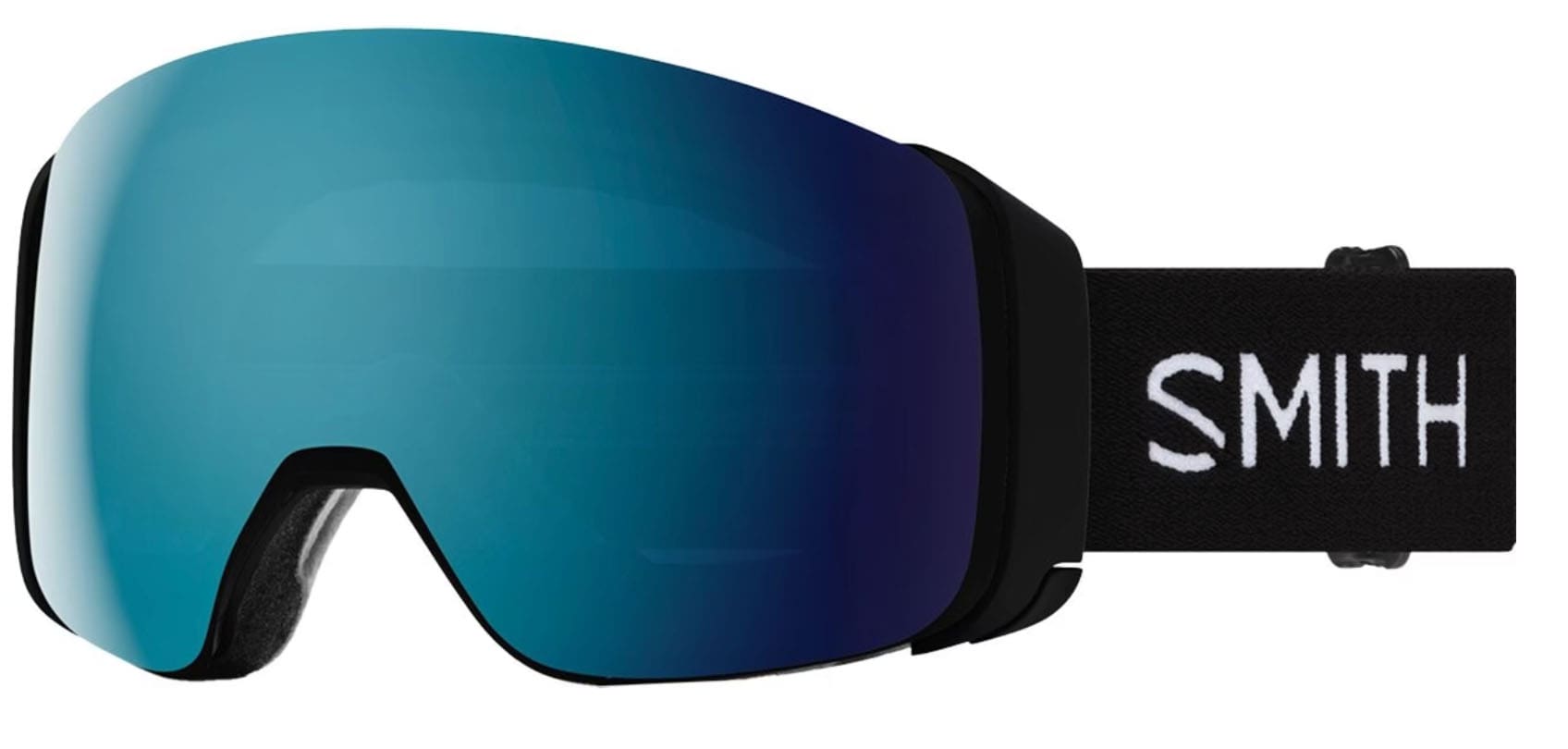
Notable Features of the Smith 4D MAG
BirdsEye Vision: This is the tapered lower edge of the lens, and it’s the whole reason the 4D exists. Smith puts the gain at 25% more field of view than the I/O MAG, and almost all of it is downward — the part of your vision you actually use when you’re looking at your own feet on a steep entry or reading a rollover.
ChromaPop: Smith’s contrast lens filters specific wavelengths where the eye struggles to separate colours, which is what makes terrain definition pop in flat light. The goggle ships with two — a bright-light lens installed and a low-light lens in the box — so you’re covered on both ends of the range without buying anything extra.
Smith MAG with dual locks: The magnets pull the lens into position, then two locking mechanisms built into the frame outriggers physically hold it there. It’s the meaningful difference between this and a magnets-only system: the magnets make the swap fast, the locks mean a hard crash doesn’t send your lens down the hill ahead of you.
AirEvac ventilation: Designed to channel air out through the top of the goggle and into a Smith helmet rather than trapping it against the lens. It works best with a Smith helmet, which is worth knowing if you ride something else — it doesn’t stop working, it just stops being integrated.
The hard case: A hard case comes standard with the goggles, which you don’t see from everyone. Most brands, in fact, don’t offer this. And this one stands out because it has a vent on the bottom to help the goggles dry out. It’s no substitution for properly drying them out in a ventilated area, but will help reduce the dampness on the way home instead of being stashed in a bag.
Drawbacks
The price. At ~$355 USD list this is the most expensive goggle in my roundup, and Canadian pricing pushes it higher again. That’s real money for something made of plastic and foam that has a finite life no matter how well you treat it.
It’s not a goggle you can abuse. Because these lenses are premium, any damage will be a costly replacement. This might go against how some people ride and treat their gear. If you are like that, you are probably not buying a top-shelf pair of goggles, but just be aware that the lenses are costly to replace.
The tabs and the bulge. They don’t bulge out huge, but are another risk compared to some goggles (Like the new SPY crosspoint) that have a smaller profile without anything sticking out.
Medium fit only, in this frame. The 4D MAG is a medium; if that’s wrong for your face, Smith’s answer is a different goggle rather than a different size — the 4D MAG S for smaller faces, or the 4D MAG XL, which Smith says runs 13% larger again and is the only OTG-compatible frame in the 4D line.
Best Uses for the Smith 4D MAG
Tree skiing and storm days, where the ChromaPop lens does the most work and the extra downward field of view helps you read terrain you’re about to be standing on. Resort days where you’re lapping in changing light and want a locking lens swap you can trust. Anyone who already runs a Smith helmet and wants the venting to actually integrate.
Skip If You…
…are hard on your gear. These reward care and punish neglect, and there are cheaper goggles that will take more of a beating for less heartbreak. Skip them too if you want the lowest possible profile, the frame and the lens tabs both sit proud. Or if a medium frame is wrong for your face and you’d rather not price-shop a different model in the same line.
Final Thoughts
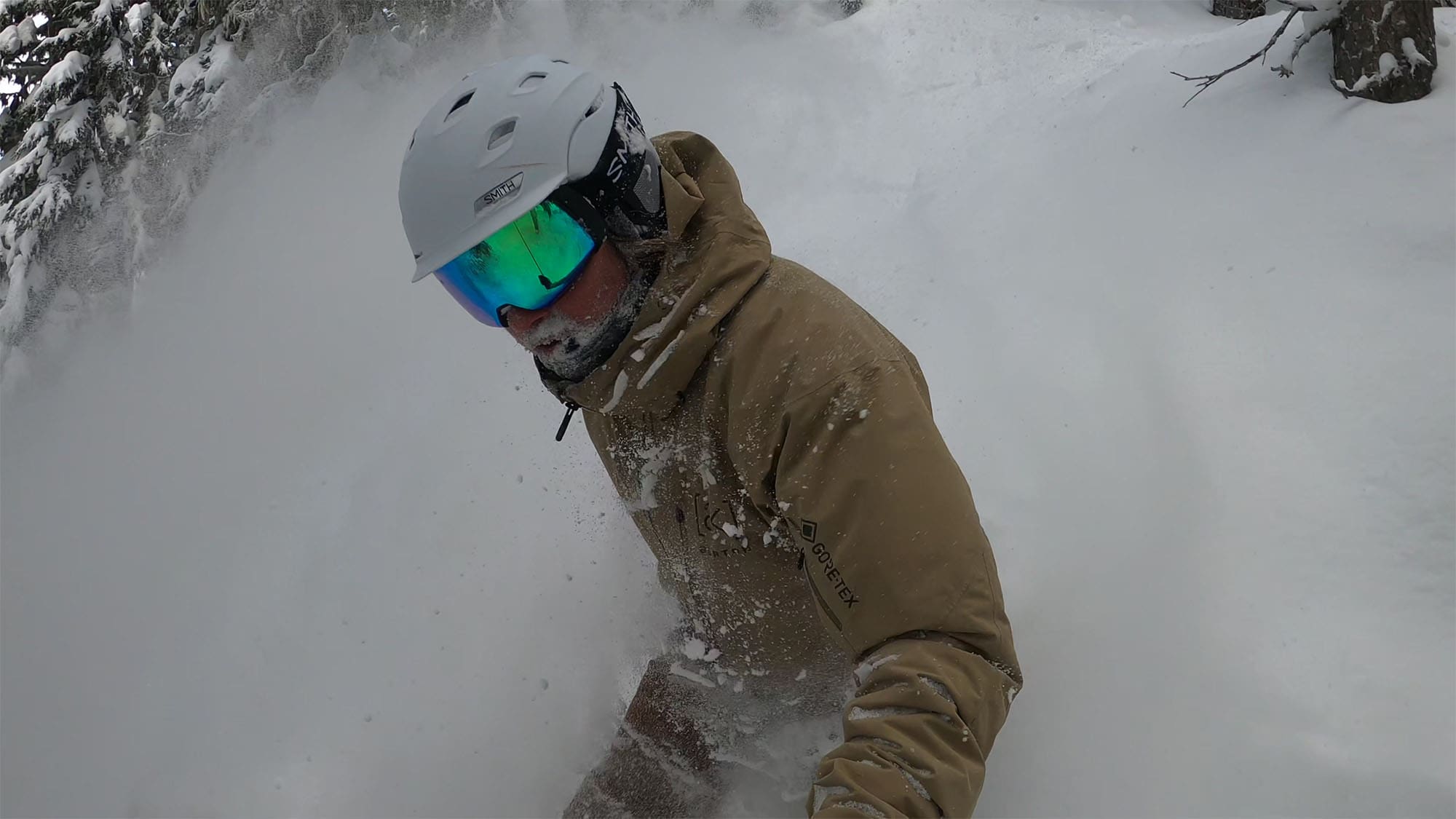
These are excellent goggles, but the price may cause some people to panic. I’ve worn them for three seasons now and they are still holding up great. That’s because I take care of them. So if you take care of the gear, it’ll take care of you. Your eyes will thank you for the investment.
For how the 4D MAG compares against the rest of the field, see The Best Ski and Snowboard Goggles.

Steve Andrews is a lifelong adventurer since before he could walk. A skier since age 2, snowboarder since 11, he began his guiding career in 2007. He has a passion for teaching people how to fish, and helping them discover their own power in the mountians. He started Alpine Islands to give people a different take on achieving mastery in the wild (hint: you’re never a master of Mother Nature). He lives in Horseshoe Bay, British Columbia with his partner and two kids.