
Tested by
Steve Andrews
Where
Coast Mountains (BC) and Japan
How long
Since November 2025
Products tested
8
Photos
Steve Andrews and Lindsay Gough
In this guide
- At a glance
- Best Active Midlayer
- Best Synthetic Hoody
- Best Down Midlayer
- Best Fleece Midlayer
- How to choose
- FAQ
- The final word
Some links on this page are affiliate links. If you buy through them, Alpine Islands may earn a small commission at no extra cost to you. It never decides what we recommend or what we say about it. The verdicts here are not bought, they are earned out in the field.
Midlayers are an often overlooked aspect of winter gear. While both baselayers and a hardshell are important for protection, the midlayer is the secret weapon for heat management that should get some thought into the purchase.
Many people will get a down puffy and call it a day but there are so many different options than that. Down is great and all, but can lose its insulation if wet, whether from the inside or the outside. So I put together a little list of my favourite midlayers I’ve tested over the years from companies of all sizes, but focusing on those who design for the active user in mind. I’ve whittled the list down to four of my top picks, all for different reasons that you’ll read about below.
This guide is the middle piece of the layering system. Start with the best baselayers for skiing and snowboarding, finish with the best hardshell jackets for backcountry skiing and splitboarding, and use the following guide to fill the space between.
Bottom Line: A good midlayer manages heat as much as it adds warmth. My top pick, the Smartwool Smartloft Hybrid Jacket, puts wool where you need it and stretch where you move. The other three cover synthetic, down, and fleece, so you can match the layer to how you tour.
How I Tested the Midlayers
I’m a snowboarder mostly, and a splitboarder at that. So I spend a lot more time climbing mountains than I do shredding them. But I also enjoy some time at the resort, as well as time just messing around in the snow. Basically, I love winter and I don’t let the cold stop me from having a good time.
I have been testing gear professionally for over 5 years now, and so take a thoughtful approach to what each particular piece of gear is doing while I’m wearing it. The big questions I was asking for midlayers was how well does it regulate heat, can it be worn on its own without a shell, how easy is it to get on and off, and what type of material it has. Quality of stitching and pocket placement are also two important factors to consider. All of them add up to building the list you see below.
The Best Midlayers for Skiing and Splitboarding: Updated November 2026
| Product | Award | Insulation | Weight | Pockets | Weather resistance | Price |
|---|---|---|---|---|---|---|
| Smartwool Smartloft Hybrid Jacket | Best Active Midlayer | 60 g recycled wool (front panels) | [***] | Internal chest zip, external hand pockets | Non-PFC DWR, wind-resistant front | ~$185 USD |
| Jones Dark Start Recycled Hoodie | Best Synthetic Puffy | Recycled Air Flake synthetic | 510 g | One chest, two ext. hands, two internal dump | PFC-free DWR | ~$195 USD |
| Rab Microlight Alpine Jacket | Best Down Midlayer | 700-fill hydrophobic down | 466.5 g (L) | Two hand pockets, one chest | Pertex Quantum with DWR | ~$295 USD |
| Patagonia R1 Jacket | Best Fleece Midlayer | None (grid fleece) | 343 g | One chest | None listed | ~$179 USD |
Specs verified November 2026 against manufacturer and major retailer pages.
Best Active Midlayer: Smartwool Smartloft Hybrid Jacket
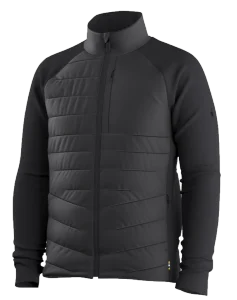
Movement is key in the mountains. The problem with a puffy is that it restricts movement. Smartwool has wool in all the right places, and just enough synthetic stretch in the other spots to allow unrestricted movement. The jacket can stand on its own without a shell, with a chest pocket and hip pockets to stash some items or warm your hands if needed. It looks good in town as well as under a jacket, and provides the right amount of stretch to let you cruise without noticing it.
Note: There is a new model updated this year, I tested last year’s model. Not too many changes to report.
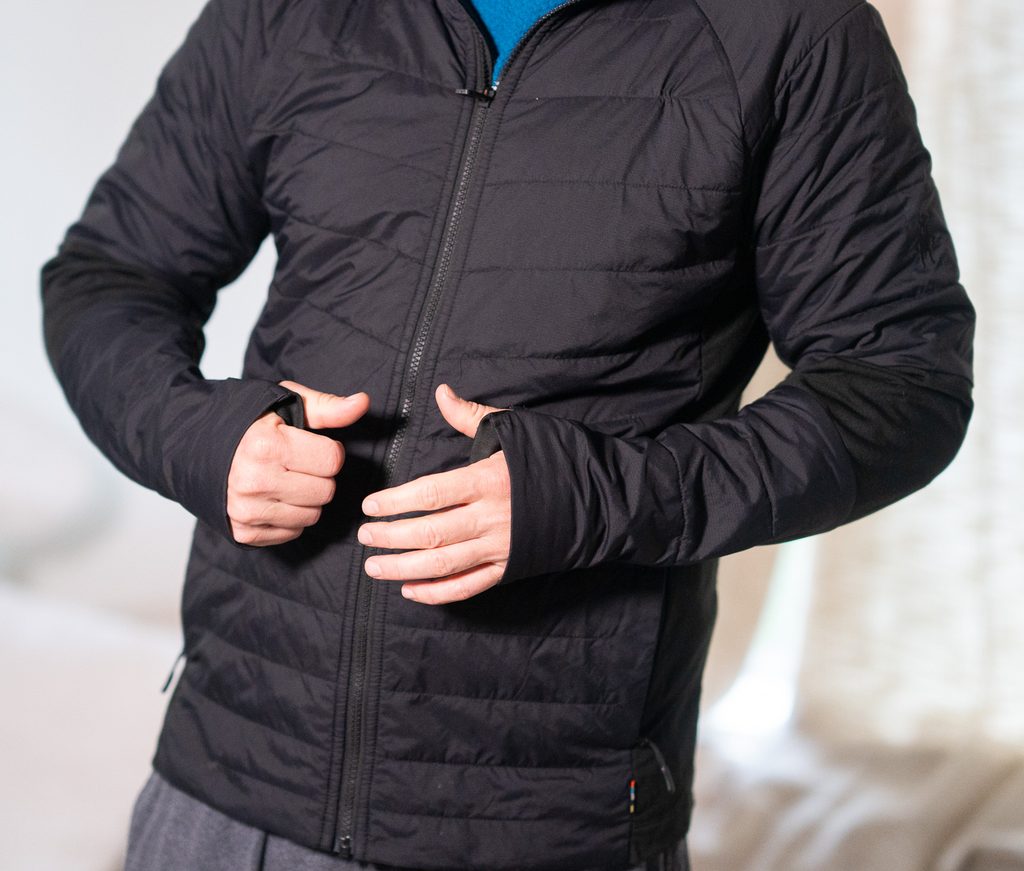
Smartwool Smartloft Hybrid Jacket
~$185 USD
| Bottom line | Wool where you need warmth, stretch where you move. Works on its own or under a shell. [DRAFT — review] |
|---|---|
| Insulation | 60 g Smartloft (50% recycled/reprocessed wool, 38% wool, 12% polyester) in the front panels |
| Fabrics | Front: 100% recycled nylon, non-PFC DWR. Back and sleeves: 47% recycled polyester / 38% merino / 15% elastane stretch |
| Lining | 56% merino wool / 44% recycled polyester |
| Hood | No |
| Pockets | Zippered hand pockets + chest pocket |
| Extras | Thumbholes, regular fit |
| Weight | 530g (size M) |
| Tested | Winter 25/26, fall 26 |
Worked
- Stretchy material was great
- Looks good in town as well as under a jacket
- Thumb loops help keep snow out from the wrists
Didn’t
- It could use more wool if I had to be picky
Best Synthetic Hoody: Jones Dark Start Recycled Hoodie
The Dark Start is a rite of passage to many who tour. Once the idea of starting before sunrise excites you rather than fills you with dread, you know you’ve moved into the echelon of downright crazy enough to earn the beauty of an alpine sunrise. I’ve been wearing this jacket for three seasons, and it always impresses me just how warm it is for being a jacket filled with recycled plastic.
The Air Flake insulation is no joke, though. It really works, and unlike down, it’ll work when wet. I’ve used it on its own too, and it does a decent (not perfect) job of wind protection. The highlight to these are the two internal dump pockets which keep skins warm since it’s staying close to the body. And the whole package packs into itself pretty neatly as well.
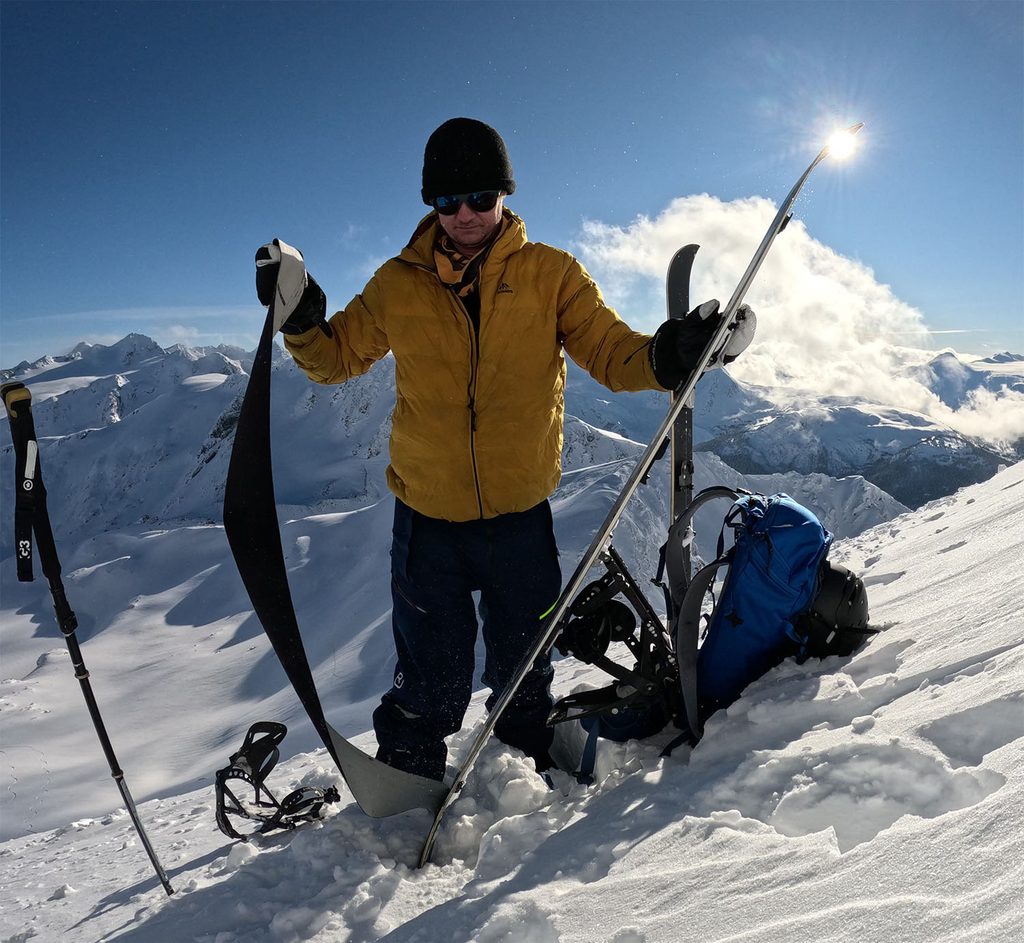
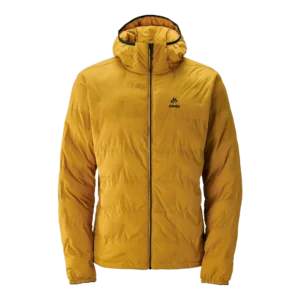
Jones Dark Start Recycled Hoodie
~$195 USD
| Bottom line | Easy to pack, works when wet, but the bulk might be too much for some. |
|---|---|
| Insulation | 100% recycled Air Flake synthetic |
| Face fabric | 100% recycled 30D 4-way stretch polyester, PFC-free DWR |
| Breathability | 30 CFM (Jones’ rating) |
| Hood | Yes, tight with a helmet though |
| Pockets | Zipped chest, two zipped hand, two internal drop pockets |
| Packability | Stows into its own chest pocket |
| Weight | ~510 g, |
| Tested | Three seasons |
Worked
- -Packs up into its own pocket for easy stashing
-Works even when wet (as opposed to down)
-Plenty of pocket space for skins and extras
Didn’t
- -Bulky
-No venting
-Pricey
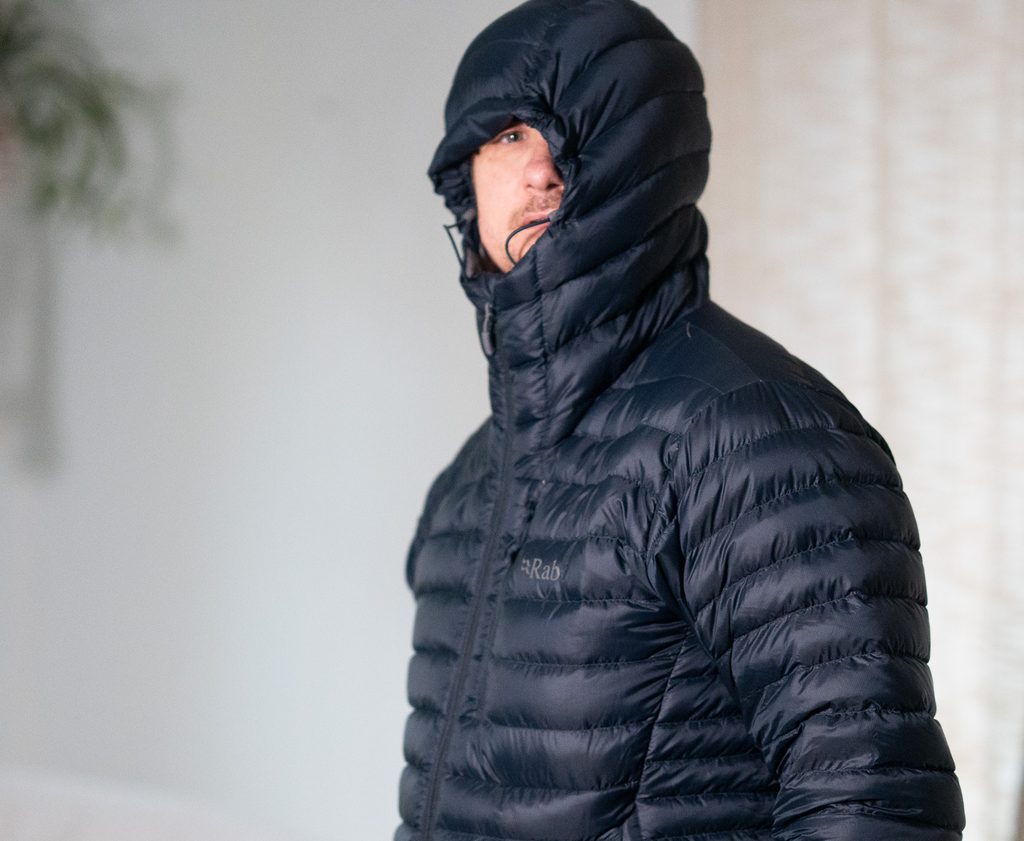
Best Down Midlayer: Rab Microlight Alpine Jacket
Yes, down loses its warmth when wet, but the hydrophobic coating on this jacket keeps it from being a total disaster. I wouldn’t trust it in a downpour, but simple moisture and sweat actually isn’t a total dealbreaker here. And the slim profile to warmth ratio has this jacket earning its keep for how light it is.
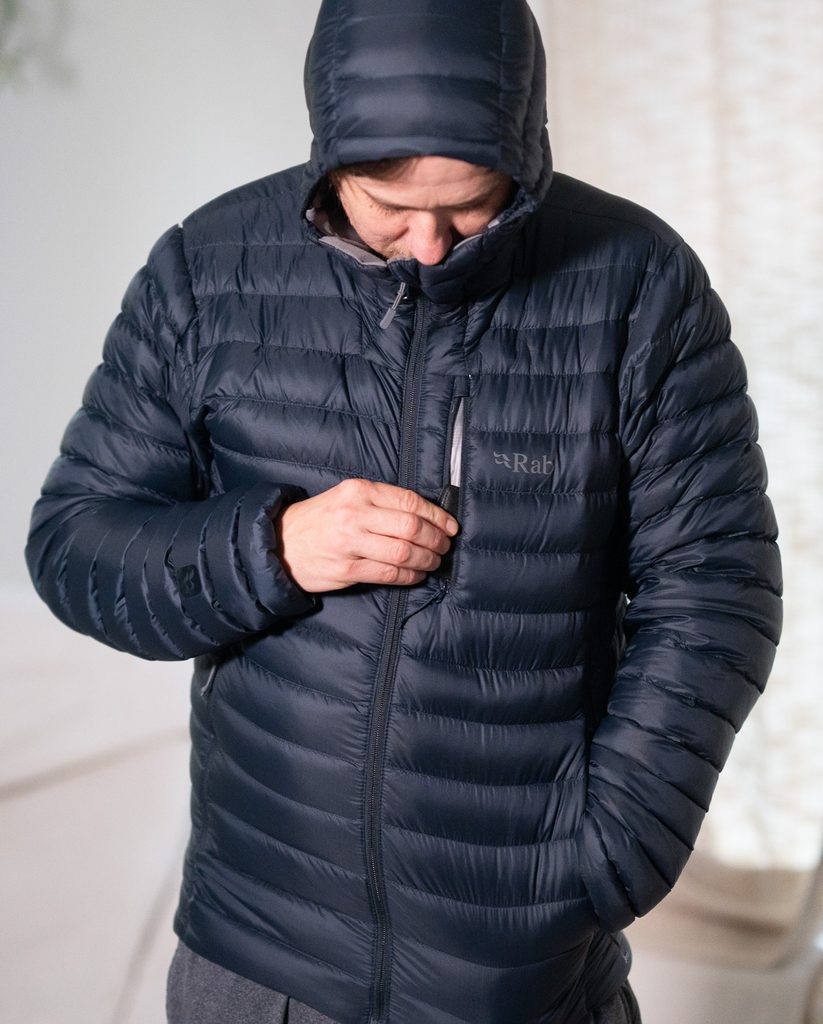
Rab Microlight Alpine Jacket
~$295 USD (Currently on sale)
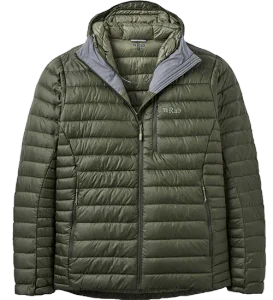
| Bottom line | Lightweight, great movement, slim profile. |
|---|---|
| Insulation | Recycled 700-fill down with Nikwax hydrophobic finish |
| Face fabric | Recycled 30D Pertex Quantum nylon with DWR |
| Lining | Recycled 20D Netplus nylon (from fishing nets) |
| Hood | Yes, adjustable with stiffened peak |
| Pockets | Two zipped hand pockets, one zipped chest pocket |
| Weight | 415g (size M) |
| Tested | Oct-Nov 2026 |
Worked
- Super lightweight and easy to pack
Warmth to weight ratio is excellent
Water resistance is good for a midlayer
Responsibly-sourced materials
Didn’t
- I wouldn’t wear this on its own in the rain
No inside pockets
Pricey
Best Fleece Midlayer: Patagonia R1 Jacket
Sometimes all-synthetic without the fluff is the go. I’m not a huge polyester fan, but there’s a reason that companies flock to it for a material. It’s warm, lightweight, and water-resistant. Add in Patagonia’s legendary repair policy and commitment to using recycled materials, and you get the reason for including it here.
Note: The model I tested is a few years old now. The new version has a chest pocket and does not have solid arms, adding for more breathability. My biggest complaint was the arms getting sweaty, so it’s nice to see they have changed that aspect of the jacket. Specs for the new jacket are listed below.

Patagonia R1 Jacket
~$199 USD
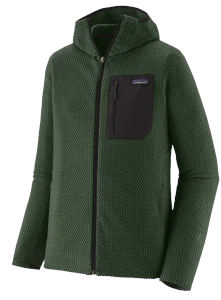
| Bottom line | Lightweight, and decent breathability for Polyester |
|---|---|
| Insulation | None: Polartec Power Grid grid fleece |
| Fabrics | Body: 6.9-oz Power Grid, 93% recycled polyester / 7% spandex. Side panels, inner arms, lower sleeves: 3.8-oz Power Grid jersey, 92% recycled polyester / 8% spandex |
| Hood | Yes |
| Pockets | One chest pocket |
| Extras | Full zip with zipper garage, HeiQ odour control, Fair Trade Certified sewing |
| Weight | 350g (size M) |
| Tested | Old model since 2023 |
Worked
- Lightweight
Good breathability for polyester
Didn’t
- Collects odor
Only one chest pocket
How to Choose a Midlayer for Skiing and Splitboarding
Bulk: will it fit under your shell? A midlayer only works if your shell still closes over it and you can still have unobstructed movement. Try it on under the jacket you already own. Grid fleece and stretch hybrids slide under almost anything; lofty puffies take up room and compress under a snug shell. If you’re shopping for both, read my hardshell roundup with this in mind.
Material: wool, synthetic, down, or fleece: Each one trades warmth, breathability, and wet-weather performance differently. Fleece breathes best and shrugs off sweat but blocks little wind. Synthetic insulation keeps some warmth when damp. Down is the warmest for its weight but loses loft when it gets wet, even with a hydrophobic treatment. Wool blends sit in the middle and resist odour on multi-day trips, but add weight when they get wet.
Does it work on its own? On the skin track you’ll often strip down to base and midlayer. Choose a face fabric that blocks a bit of wind and a cut you’d actually wear for aprés or on dog walks, if you want to maximise the value.
Pockets: A chest pocket for your phone or skins-off snack and hand pockets that sit above a hip belt are worth more than a long feature list. Internal drop pockets are handy for warming gloves or skins on cold transitions.
Weather resistance: No midlayer is waterproof, and it shouldn’t be. If it can’t breathe, you’ll soak it from the inside. A DWR finish helps a midlayer shed light snow when you’re skinning without a shell. Leave the waterproofing to the hardshell or you’ll prevent heat from escaping while hiking or skinning.
Getting it on and off: Swapping layers at transitions is the norm, especially in the springtime. A full zip makes this much easier, and will save time in the long run. Cuffs with thumb loops will also help keep snow out where you don’t want it.
Start with what you have: If you’re new to touring, the fleece already in your closet is a fine first midlayer. Upgrade once you know whether you run hot on the skin track or cold on transitions, because that tells you which material to buy.
Frequently Asked Questions
Is a fleece or a puffy better as a midlayer for skiing?
For uphill effort, fleece usually wins because it breathes and handles sweat. A puffy is warmer for its weight, so many tourers wear fleece while moving and pull a puffy on at transitions and on cold descents.
Can I wear a down jacket as a midlayer under my shell?
Yes, on cold, dry days or at the resort. On high-output days, sweat can dampen down from the inside, so a synthetic or wool layer is the more forgiving choice in wet coastal snow.
Do I need a midlayer for backcountry skiing or splitboarding?
Most days, yes. A base layer alone rarely holds enough heat on a windy ridge or a long descent, and a midlayer gives you a warm, breathable option between your base and your shell. Shells aren’t insulated, so you’ll want something that regulates heat well to get you into the sweet spot.
Is merino wool good for a midlayer?
Wool stays warm when damp and resists odour, which helps on multi-day trips. Pure wool is slower to dry and less stretchy, which is why many midlayers blend it with synthetics.
Should my midlayer have a hood?
A hood adds a lot of warmth for very little weight, especially under a helmet on cold descents. If you already run a hooded baselayer or shell, a hoodless midlayer avoids a pile-up of hoods around your neck.
The Final Word
All of these midlayers will help you stay warm in the mountains, and can even work on their own when you don’t need to layer up so hard. But put in combo with a good baselayer and shell and you’ll be having fun without fear of getting too cold. Just be sure to stay hydrated.
Keep Building Your Layering System
Start at the skin with the best baselayers for skiing and snowboarding, then lock out the weather with the best hardshell jackets for backcountry skiing and splitboarding. For a deeper look at one backcountry-specific option, read my review of the Dark Start hoodie.
Getting your kit sorted before the season? Grab the free Preseason Starter Kit, and practise your companion rescue with the Beacon Search Drill before you need it.

Steve Andrews is a lifelong adventurer since before he could walk. A skier since age 2, snowboarder since 11, he began his guiding career in 2007. He has a passion for teaching people how to fish, and helping them discover their own power in the mountians. He started Alpine Islands to give people a different take on achieving mastery in the wild (hint: you’re never a master of Mother Nature). He lives in Horseshoe Bay, British Columbia with his partner and two kids.